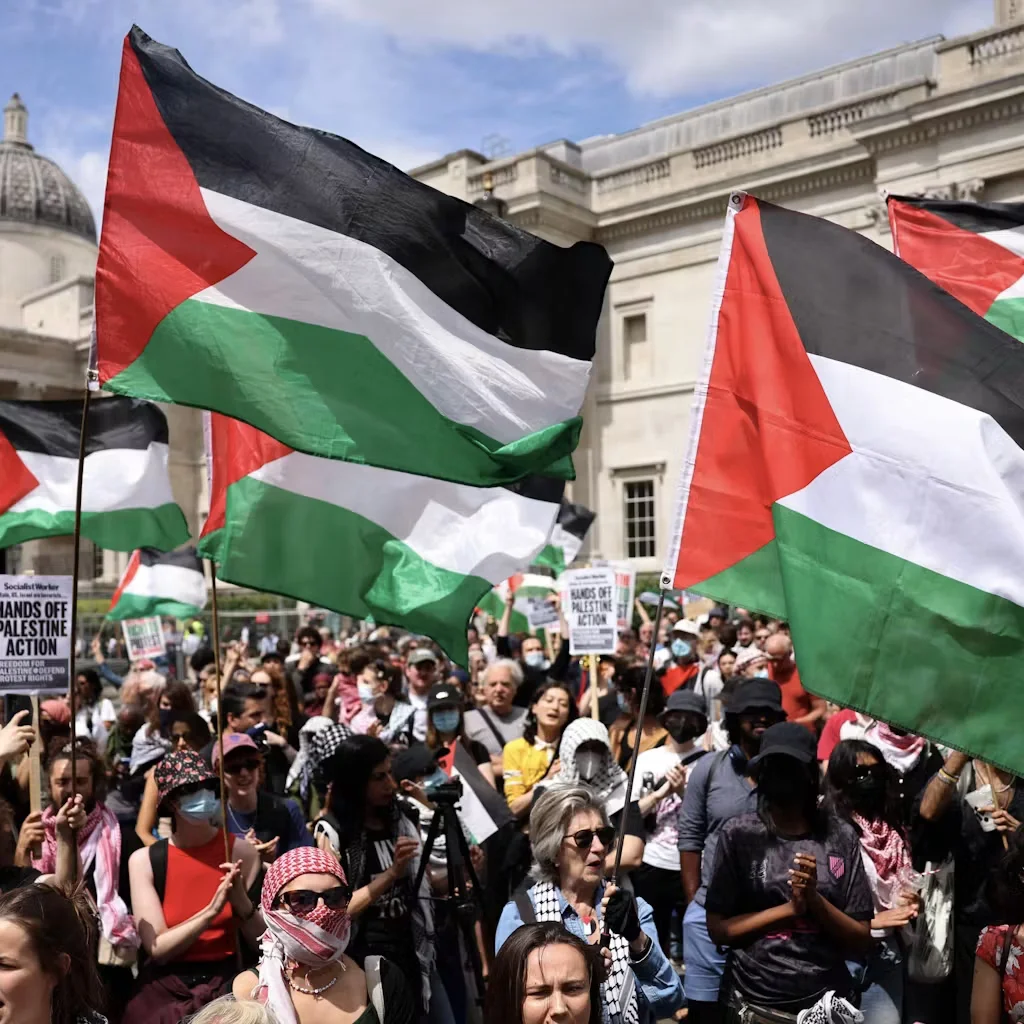
Nine people, dressed in gota patti outfits, walk into a Versailles-style English venue: an investment consultant, an immigration consultant, a wedding photographer, a baker, another baker, a baker who exclusively bakes French pastries, an event manager, a hair colourist, and a decor and event planner. In an ideal world, this would have been the beginning of a great joke, but on July 25th and 26th, it was a fundraiser for Palestine. Luxe Events, a decor company primarily catering to weddings, organized a fundraiser featuring Mahira Khan, with charity partner Forgotten Woman, for Palestine. Since the event, a lot has been discussed varying from the actress’s outfit to the questions asked to her answers to the dancing; almost everything except the reason for the little ‘get together.’
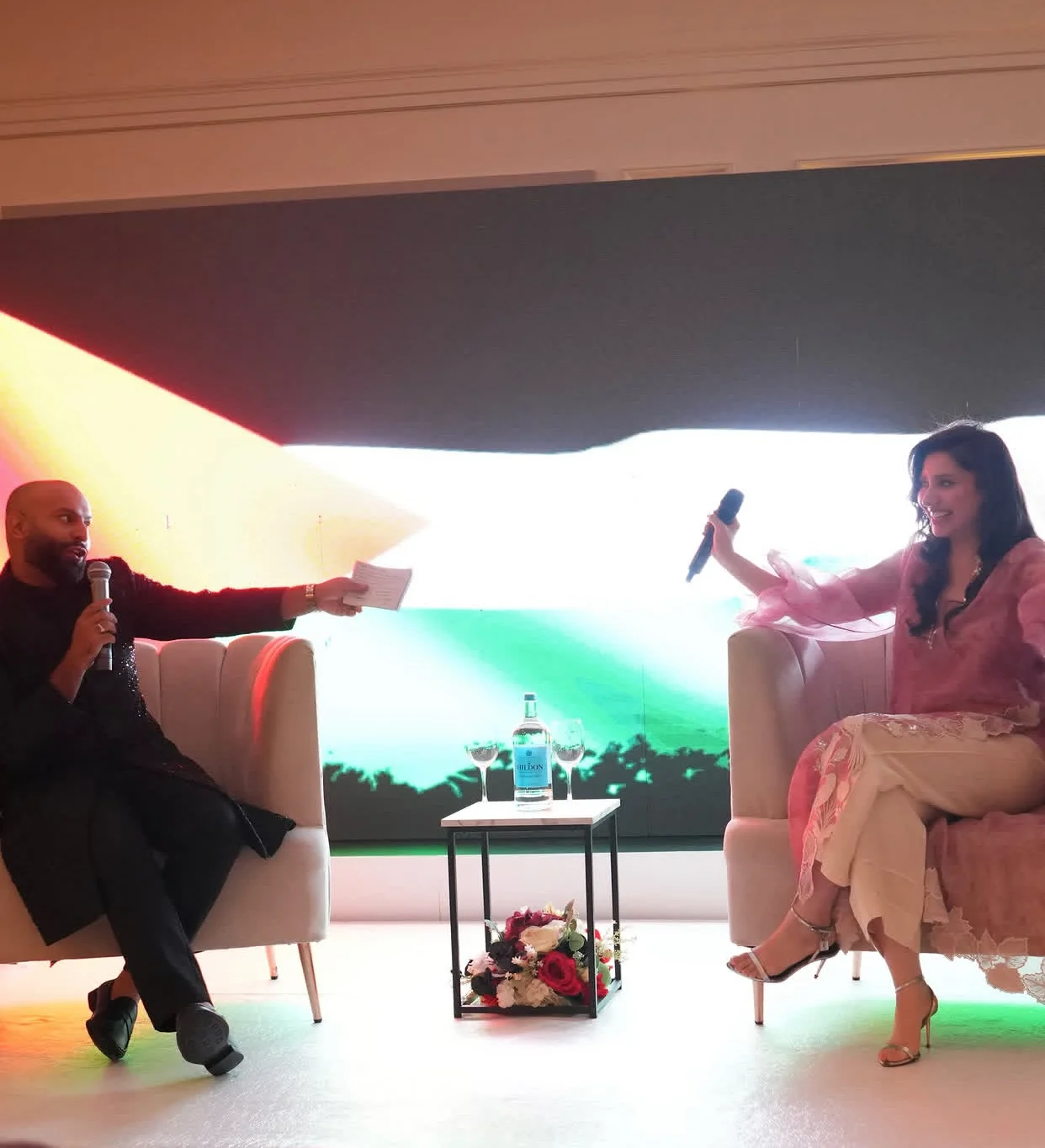
All the Instagram posts related to the event and posted by the official hosts feature nine brands and companies, all based in London, ked by British Pakistanis. And somehow all offer key services for weddings, whether it is traditional decor or videography or catering. ‘Normal’ tickets, whatever that means, were forty pounds each and VIP tickets, which featured access to the front two rows and a photo session, were a hundred pounds each. Oddly, neither the brands/sponsors nor the actress tagged the charity partner foundation, to whom the money generated is pledged to. In Mahira Khan’s Instagram post, key details like outfit, makeup, hair, jewellery, photographer and stylist are all credited and tagged. But in her new ad, plastered and posted on billboards and YouTube, for L’Oreal Paris, she plays an activist simultaneously promising glossy hair.
This is a very common brand of Pakistani activism: be a “radical”, but only as long as it does not offend the corporations paying you for brand endorsements, be a feminist as long as it does not offend any prevailing cultural norms, be anti-government but politely enough that you can’t be censured by the state, be a nationalist as long as the government in power funds little art projects you can feel proud to support; essentially, be anything and everything as long as it amounts to nothing.
To sum it up, Pakistani immigrants are raising funds for a colonized land, brutalized by ethnic cleansing, leading to starving children, mass displacement, and genocide, on a venue located in their former colonizer's home with people dressed to the nines. Did the expats just need a reason to get together and hang out in their desi outfits?
On day two, Haroon Rashid, the moderator, asks Khan about why she supports Palestine, and her answer is arguably as shallow as her film script choices: "for humanity". But, she looks gorgeous in her sparkling designer outfits, and her makeup and hair is on point. A couple of years ago, Selena Gomez memorably spiraled on Instagram, claiming that the visuals from the ongoing genocide in Palestine caused her extreme distress; enough to lead her to question how posting about it could possibly help and, eventually, deleting her account, only to reactivate it once again, after the backlash had condensed into chatter about a new Rare Beauty bronzer, once again.
Pakistani immigrants are raising funds for a colonized land, brutalized by ethnic cleansing, leading to starving children, mass displacement, and genocide, on a venue located in their former colonizer's home with people dressed to the nines. Did the expats just need a reason to get together and hang out in their desi outfits?
At what point does the line between naivety and ignorance completely devolve into apathy? I don't think either Khan or Gomez are immoral; they are supporting 'all the right causes', but also doing so quietly enough that big corporations can comfortably turn a blind eye to it. Activism, consequently, becomes another bone thrown at us by the ones at the apex of the pyramid. Meta still censors visuals of violence from Palestine, L'Oreal’s manufacturing plant is built and is operational on occupied Palestinian land, Coca Cola has a factory in occupied Jerusalem; the settlers, whether it’s the global brands churning out products made from water diverted from the Palestinian territories, or the tone-deaf brand ambassadors unable to face the mechanics of aggression and its normalization, continue to lay gravel upon their crimes and the displaced natives, literally.
This is a very common brand of Pakistani activism: be a “radical”, but only as long as it does not offend the corporations paying you for brand endorsements, be a feminist as long as it does not offend any prevailing cultural norms, be anti-government but politely enough that you can’t be censured by the state, be a nationalist as long as the government in power funds little art projects you can feel proud to support; essentially, be anything and everything as long as it amounts to nothing.
Resistance demands radical support; it requires challenging the status quo and the annihilation of self-interest. On the other hand, 'supporting a cause' is a hobby, a futile and sometimes forged list of extracurricular activities that teenagers submit with their college application; unnecessary in retrospect but a prerequisite for the forms. Last year, the internationally lauded author Sally Rooney publicly supported Palestine Action, a protest group deemed a terrorist organization by the UK government. In a scathing article published in The Irish Times, she cited the Genocide Convention to argue how states still maintaining diplomatic relations with Israel are complicit in the genocide. Two members of Palestinian Action vandalized RAF aircrafts; for Rooney, this is what resistance looks like. A breakdown of law and self. No longer are the laws of a complicit state respectable; the infrastructure, the agenda, the policies, the long nails through which the state hinges down its citizens come undone when mouths open. Because of her support, Rooney faces an arrest without warrant and legal proceedings in the UK. She refuses to sell her novels in Israel, has pledged to donate the proceedings from broadcasting to Palestine Action and notably, does it all without an Instagram account. She, too, could have easily thrown a Sunday brunch for the children of Gaza, could have dressed up in couture, and it all would have been for 'a cause.' But she chooses to resist instead.
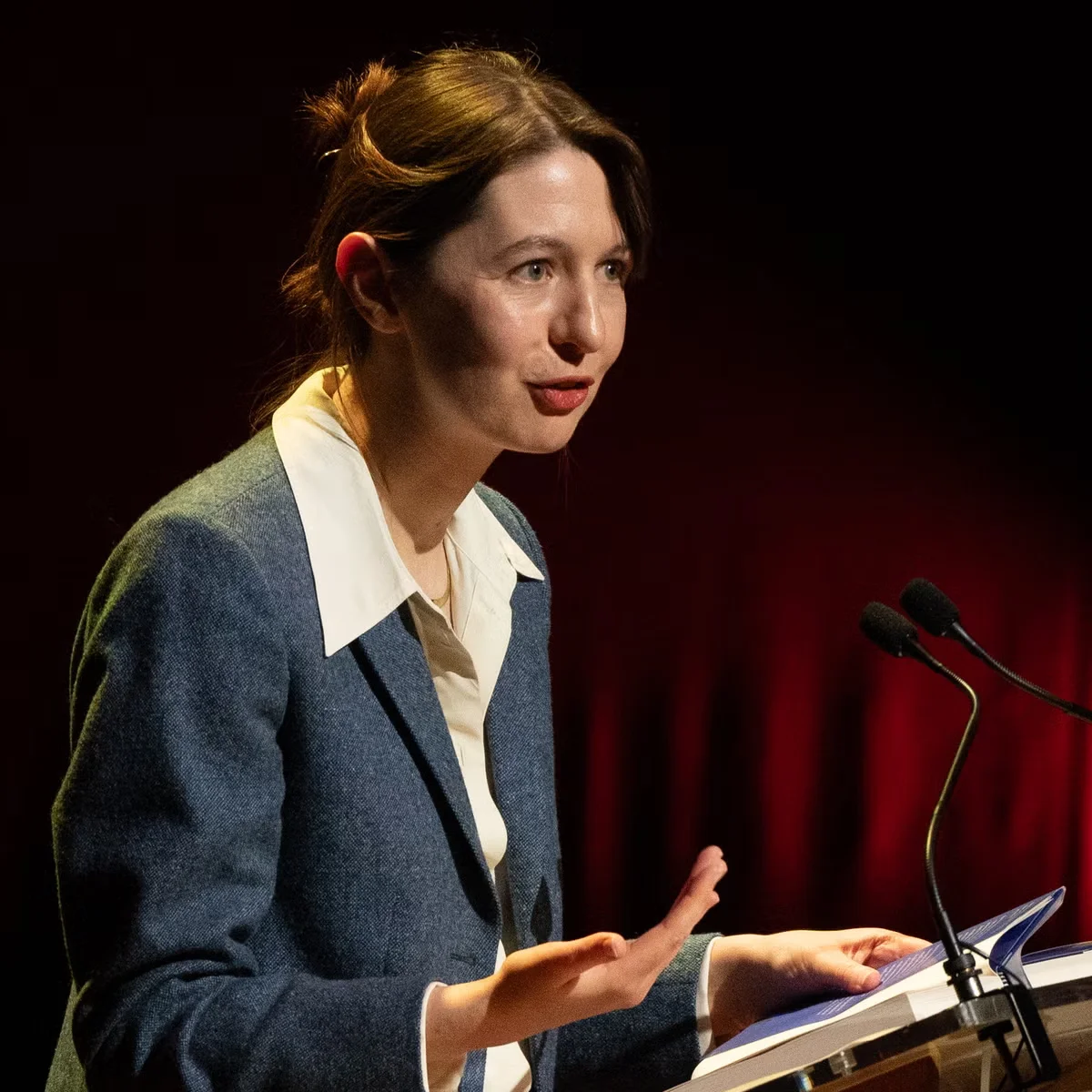
[T]he moderator asks [Mahira] Khan about why she supports Palestine, and her answer is arguably as shallow as her film script choices: "for humanity". But, she looks gorgeous in her sparkling designer outfits, and her makeup and hair is on point.
Arundhati Roy, an iconic figure in the South Asian literary scene, withdrew from Berlin International Film Festival after Wim Wenders, a white male director and member of the jury, conveniently claimed that "art should not be political." Roy called the statement a "way of shutting down a conversation about a crime against humanity." She called this narrative of neutrality set by the Western world an attempt to stifle their complicity in the genocide. But guess who showed up at the festival?
Sarmad Khoosat's Lali premiered at the 2026 Berlinale. During the festival, more than eighty artists criticized the festival's stance on Palestine compared to Ukraine and questioned Germany's position as the biggest exporter of weapons to Israel. The ten-day run of the festival was marked by censorship, witch-hunts, discrimination, visa troubles and, most importantly, by a call to boycott by the Palestine Film Institute. On the day of the premier, Khoosat, wearing a keffiyeh, spoke about the color red. In a short speech reminiscent of an elementary school teacher struggling to create meaning out of an empty metaphor, the filmmaker wanted all artists "to stand on the right side of history" without actually pinpointing where this supposed right side is. "Art and humanity are inseparable," he said. But where is the politics? The three cannot possibly be in a consensual polyamorous relationship. And then came: "Those suffering at home, around the world and especially in Gaza..." without any mention of what is causing the suffering of Gazans, such as the weapons exported to the aggressor by the festival’s host country. Khoosat, whose films have been previously banned in Pakistan, is no stranger to censorship, but the choice to showcase his cinematic prowess at a complicit and willfully ignorant stage is truly baffling. And while it may look endearing and courageous to some, a little speech about an ongoing genocide in front of an audience who has very explicitly stated their lack of concern simply does not cut it.
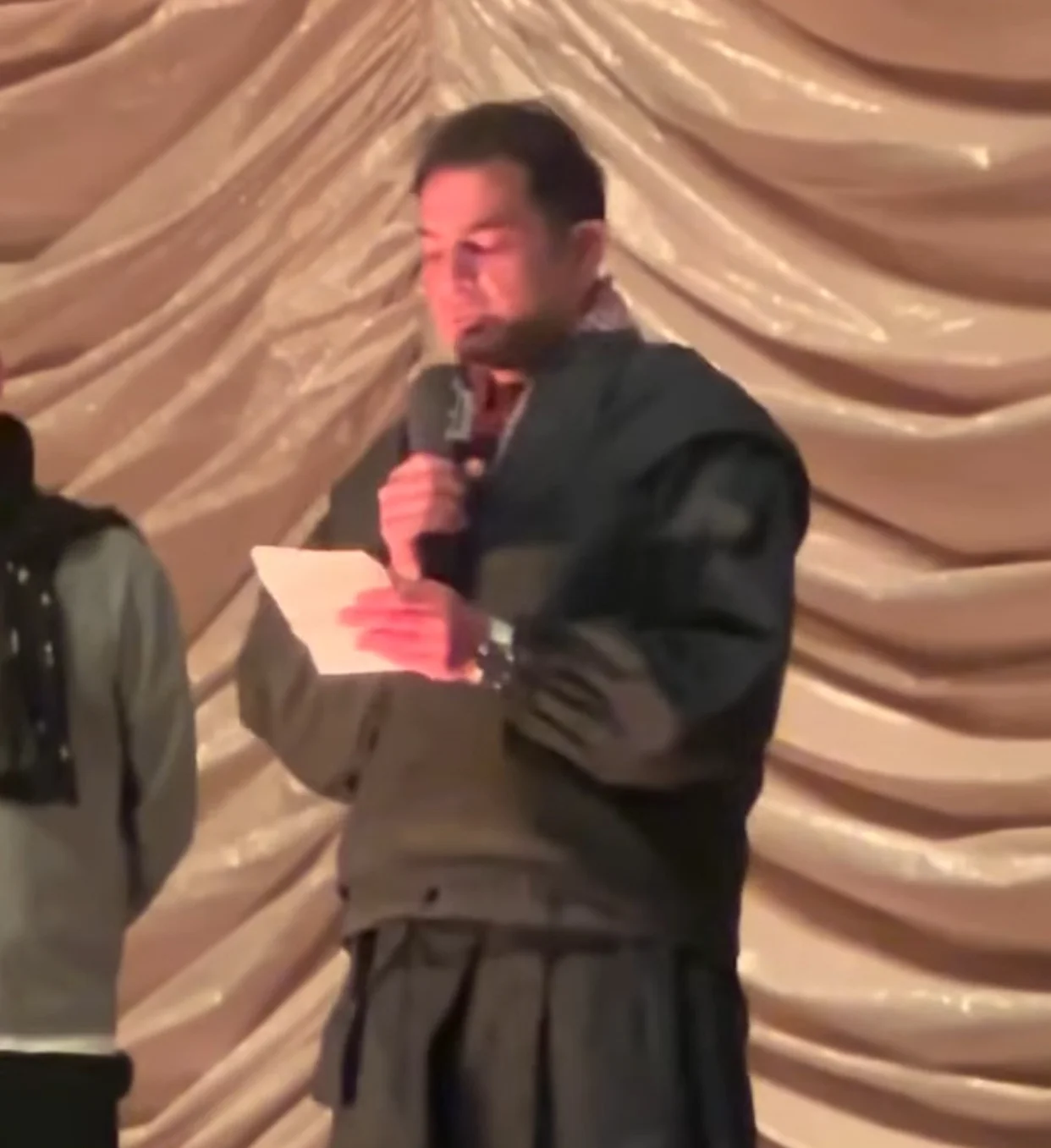
Khoosat, whose films have been previously banned in Pakistan, is no stranger to censorship, but the choice to showcase his cinematic prowess at a complicit and willfully ignorant stage is truly baffling.
At the 2024 Pen Pinter Prize ceremony, Arundhati Roy chose to share her award with Alaa Abd El-Fattah, a staunchly anti-Zionist activist and political prisoner. She openly condemned her homeland for supplying weapons to Israel, and called out the US's war crimes and military involvement in Vietnam, Nicaragua, and Afghanistan. When doing so, she named Biden, Churchill, Reagan, the CIA, Zionism, and the European guilt of the Holocaust, a chain of words no Pakistani celebrity seems able to string together. Her unflinching words are a lesson in both courage and craft. Resistance is not vague; pandering is. While Khoosat shows “gratitude” for the exhibition of his film at the festival, Roy ably demonstrates why she is being awarded.
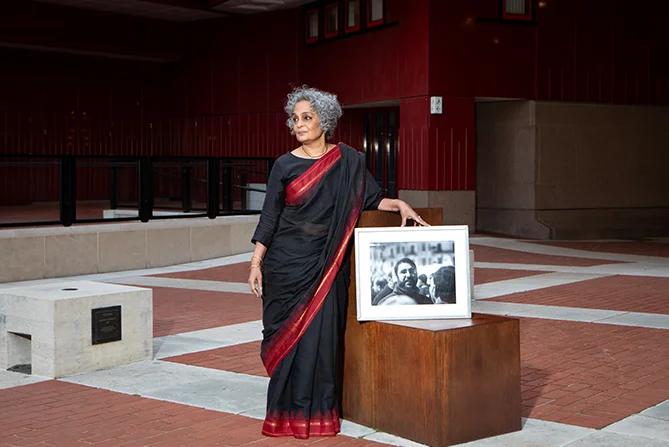
Meanwhile, Pakistani celebrities give the appearance of trying hard, without much of anything to show for it. My request: either grow a spine, or simply post a link.
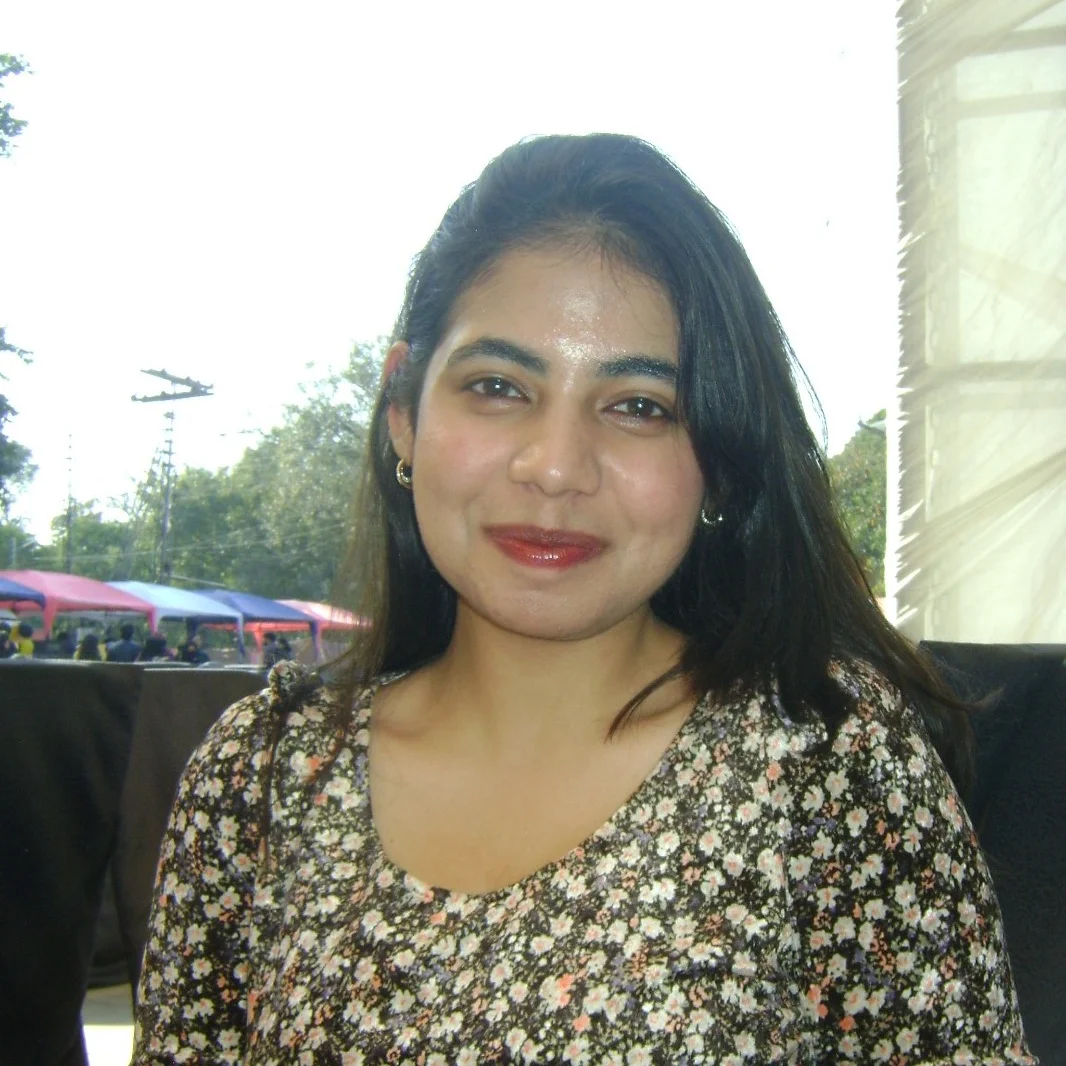
Afifa Kamal Chaudhry is a writer and artist from Lahore.