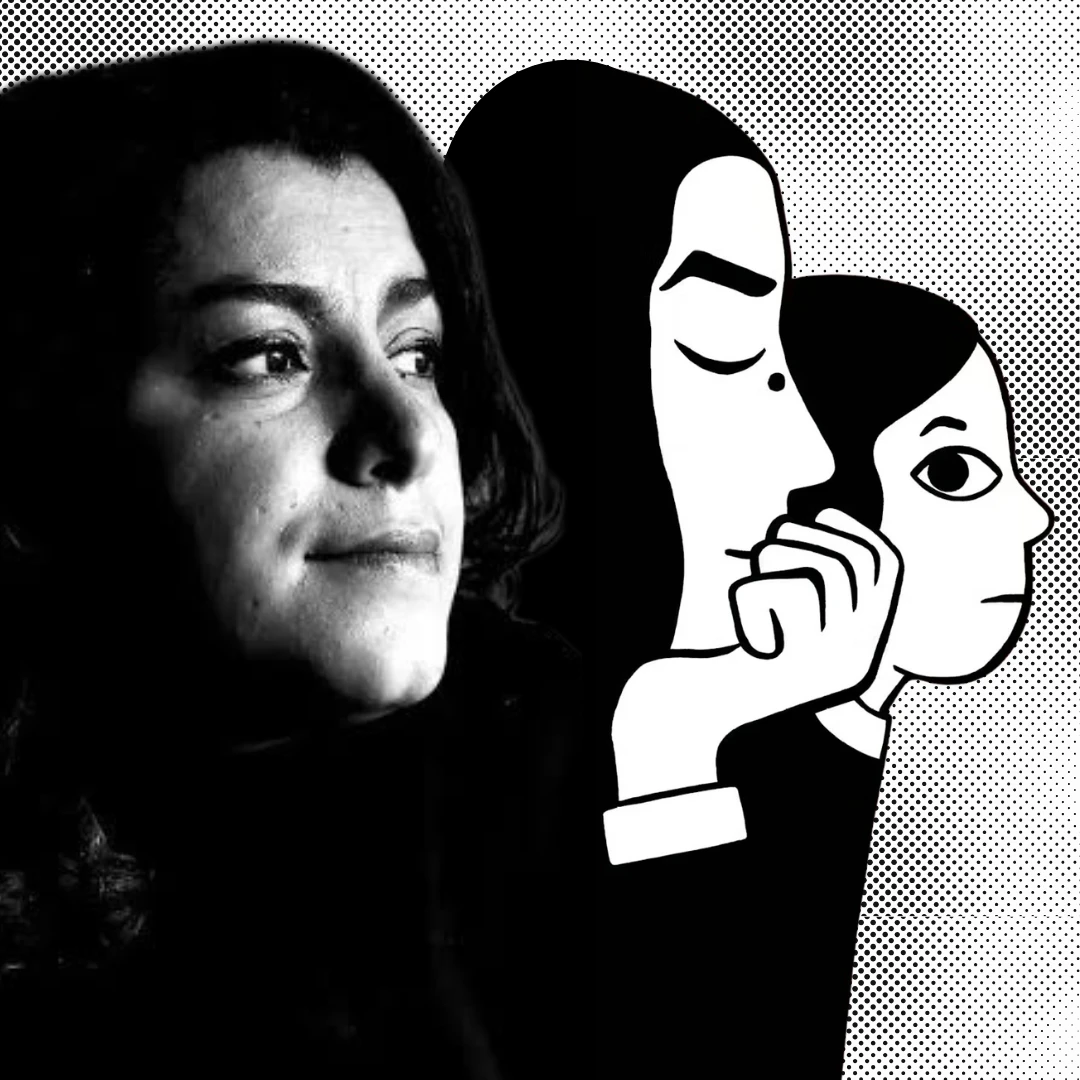
Persepolis — based on a graphic novel of the same name — was among my favorite films for years. I say this not as a prelude to a "but" — or not only — because it matters that the love came first. On a surface level, the film spoke to something real: the experience of state control over what you wear, how you move, who you are allowed to be in public. It also spoke to the exoticization that awaits you in the West, and the disillusionment that follows arrival. I had been through both, so that recognition was genuine.
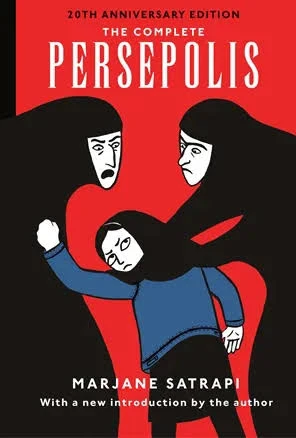
But recognition is not the same as representation, and over time it became impossible to separate the film from what it had been made into — and, more uncomfortably, from what it had been designed to be received as. Persepolis is laced with Islamophobic codes. This is not incidental. It is precisely those codes that made the film so legible, so celebrated, so fundable in France of all places — a country whose political culture is organized around the figure of the Muslim woman as the emblem of a civilization that needed saving. The film did not create that climate. But it fed it, and was fed by it, and the French cultural apparatus embraced it with an enthusiasm that had very little to do with formal innovation, and everything to do with ideological convenience.
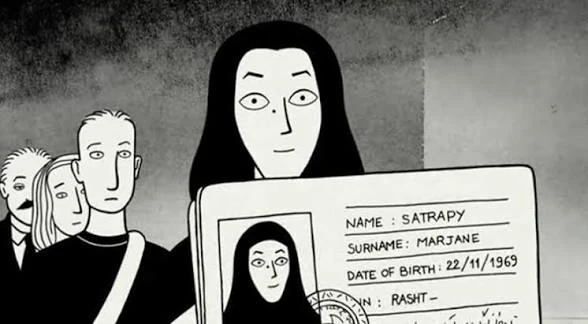
Satrapi's experience belonged to her and to her social class, and it was an honest account — not only of post-revolutionary life in Iran, but of her experience of emigrating to Europe. The loneliness, the racism, the impossibility of fitting — these ring true. But honesty about one's own experience is not the same as speaking for millions of women one has not lived among for decades, women whose choices and resistances and inner lives remain entirely elsewhere.
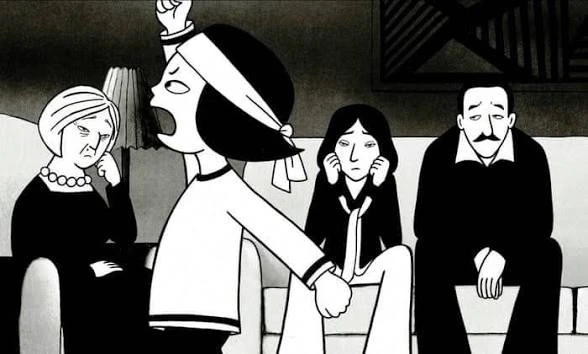
The millions of women who chose the revolution, who wore the hijab by their own decision and will, who were not victims of 1979 but agents of it — they are absent from this film. One response to this, and it is not an unfair one, is: we, the women born and raised in post-Revolutionary Iran, have heard enough from those women through the Islamic Republic's own megaphone for decades; this film is for us, the ones who were silenced, it is our turn to be heard. That argument has real weight. The erasure that drove it is real. But it is worth remembering that many of these Revolutionary women themselves felt betrayed by the discriminatory laws imposed by the very state their revolution brought to power. The very revolution that failed them had also empowered them. These women never accepted the victim role: they entered universities and job markets in unprecedented numbers, built movements, and fought back against those same laws from within. So why is there no room for them in this film?
The millions of women who chose the revolution, who wore the hijab by their own decision and will, who were not victims of 1979 but agents of it — they are absent from this film.
The answer has to do with who the film was actually made for. Persepolis was produced in French, financed in France, and premiered at Cannes. Its primary audience were never Iranian women reclaiming their story; it was a Western audience being offered a particular story about Islam, revolution, and the women who suffered under both. The film cannot accommodate the revolutionary woman-as-agent not necessarily as a personal failure of Satrapi's, but as a structural fact: the frame it operates within has no place for a Muslim woman who is also a political subject. It requires her to be oppressed, static, waiting. And a Western audience, shaped by decades of War on Terror logic, was ready to receive exactly that.
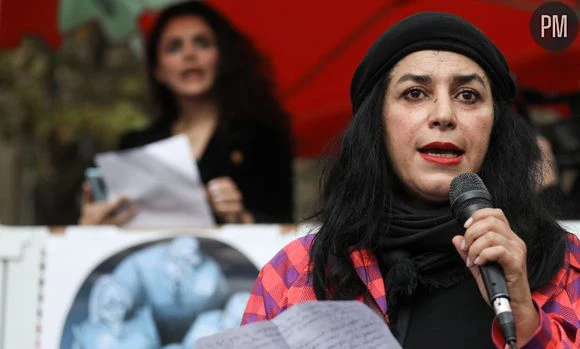
In December 2023, speaking at the Nobel Peace Prize Forum in Oslo — a platform organized around the Iranian women's liberation — Satrapi framed Palestinian resistance as a terrorist threat to be neutralized. Within that same speech, she also implied that Europe was where democracy truly existed. These are not the statements of someone who arrived at these positions reluctantly. They are the statements of someone who had been fully interpellated into a particular worldview — one in which Western military intervention is legitimate, Muslim resistance is fanaticism, and the Iranian or Palestinian who disagrees is an obstacle to civilization.
Satrapi framed Palestinian resistance as a terrorist threat to be neutralized. Within that same speech, she also implied that Europe was where democracy truly existed.
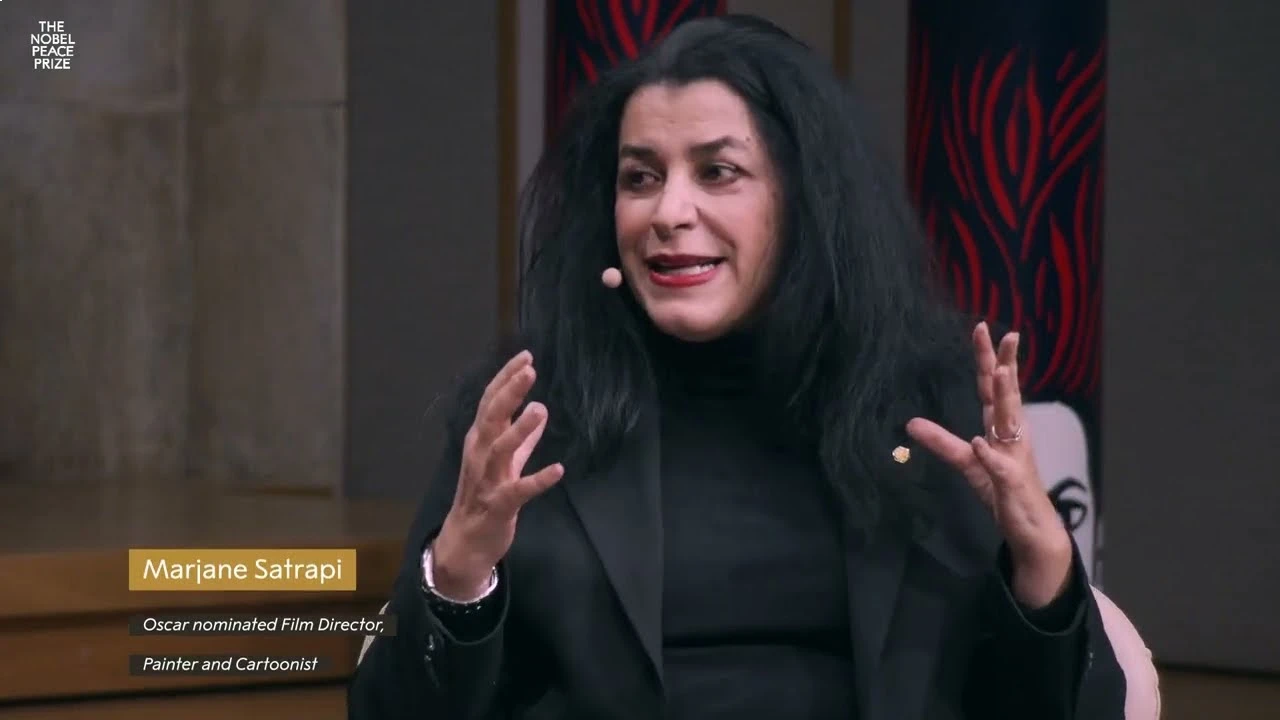
Satrapi also said, in a different register, that it is dangerous to assign evil a geographical address — that doing so is the beginning of fascism. She was capable of that clarity. She also, at times, showed awareness of the trap she was being placed in. During the French veil debates, she described being approached to serve as a witness for Iranian women's suffering and refusing, saying she wanted nothing to do with a debate so degraded it compared the veil to the thong. She understood, at least sometimes, that she could not and should not speak for all Iranian women. But understanding a trap and escaping it are not the same thing. Clarity and complicity are not mutually exclusive, and the colonial ideological apparatus that made her the face of Iranian women's rebellion against Islam-imposed suffering was the same one in charge of waging endless wars in the Middle East and killing millions of Muslims post-9/11, and she did not resist that conscription.
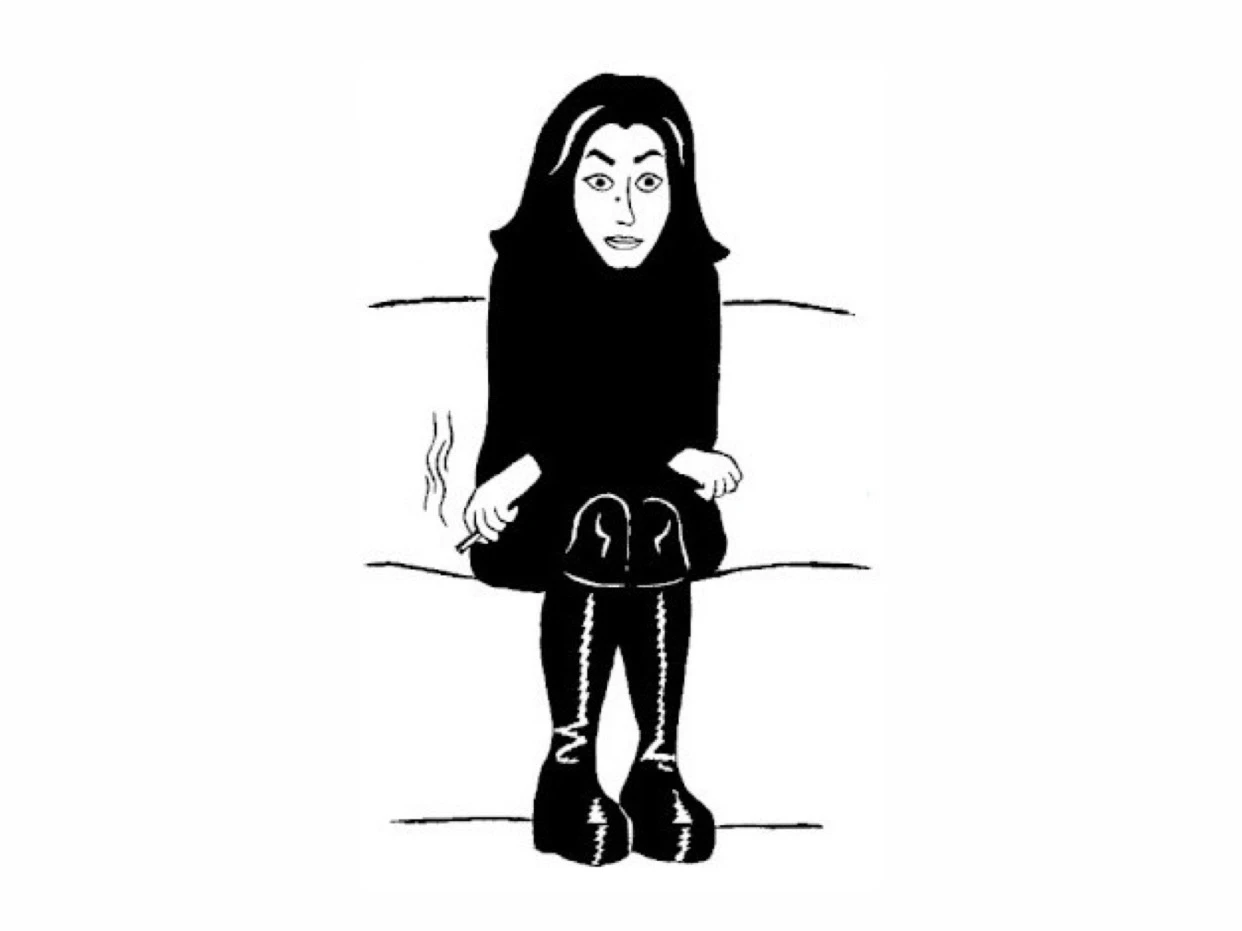
Marjane Satrapi was a talented artist who I believe really cared about Iran. That is not nothing. But talent and care do not immunize a person from becoming a tool. The question worth sitting with — particularly for every diasporic artist — is not whether Satrapi was good or bad, but what it means that the institutional machinery that celebrated her work was and currently still is simultaneously funding the destruction of the people her work was said to defend. In that machinery, she was never simply a free artist. She was only ever liberated to be one thing: an Iranian-French voice confirming what the West already believed.
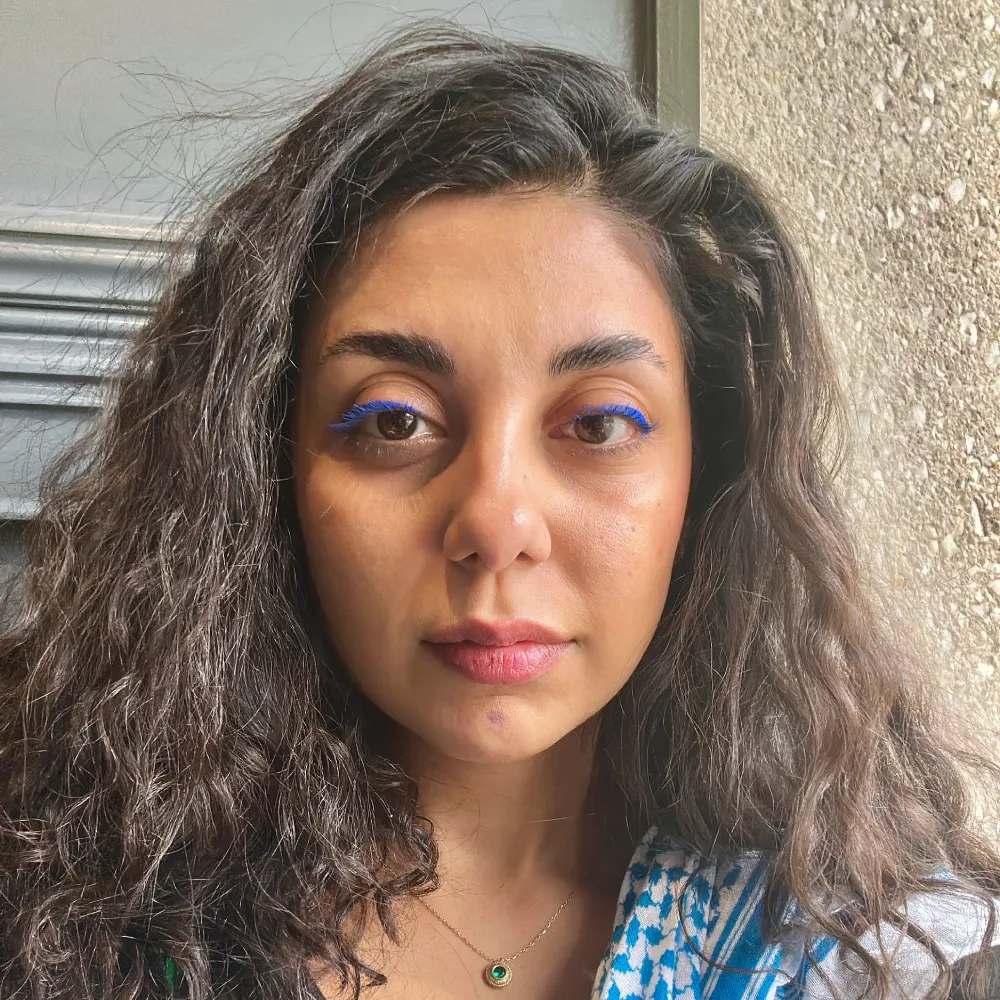
Elham Rahmati is a visual artist based between Tehran and Helsinki. She’s the co-founder and co-editor of NO NIIN, a magazine at the cusp of art, criticality and love.