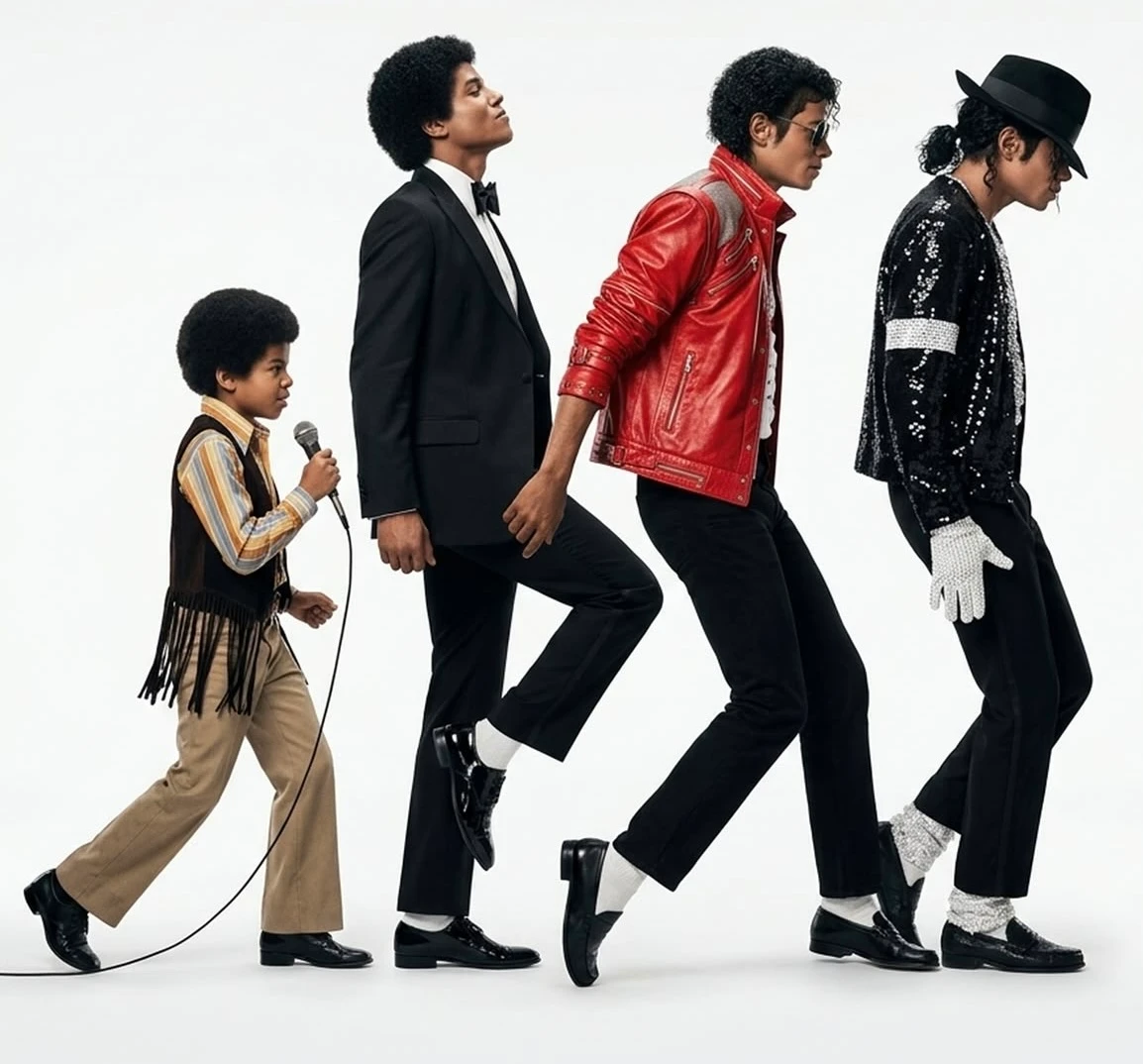
There is a moment early in Michael when a young boy with impossible talent stands under a spotlight and the world seems to tilt toward him. It’s electric. And for stretches of Antoine Fuqua’s lavish, estate-approved biopic about Michael Jackson, that electricity is real. The tragedy is that the film is too afraid of its own subject to be truly worthy of him.
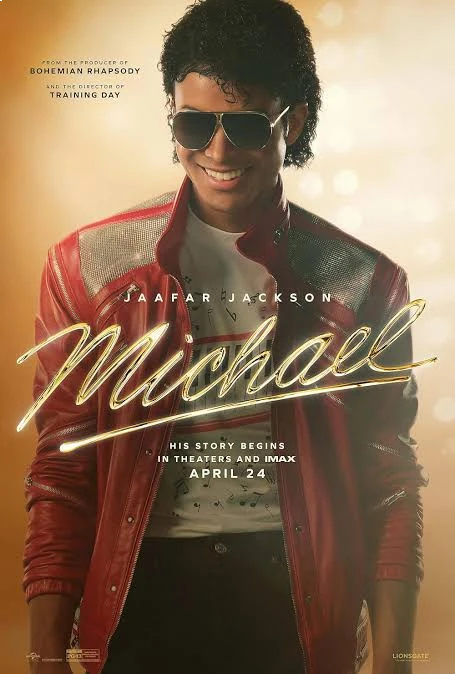
Michael stars Jaafar Jackson, the pop icon’s real-life nephew, in his film debut as the King of Pop. His performance nails the look, the voice, the electrostatic moves, and the mix of delicacy and steel that made Michael who he was. It is a genuinely remarkable physical and emotional feat. When Jaafar inhabits the moonwalk or captures his uncle’s bone-deep vulnerability offstage, you feel the eerie gift of lineage at work.
Colman Domingo plays Joe Jackson, Michael’s hard-bitten hustler of a father, under heavy prosthetics, as a domestic Svengali monster Michael fought to liberate himself from. Domingo provides depth and nuance to a movie that might otherwise have none, his tough-as-leather performance meshing well with Nia Long’s tender turn as matriarch Katherine Jackson. These two actors give the film its spine.
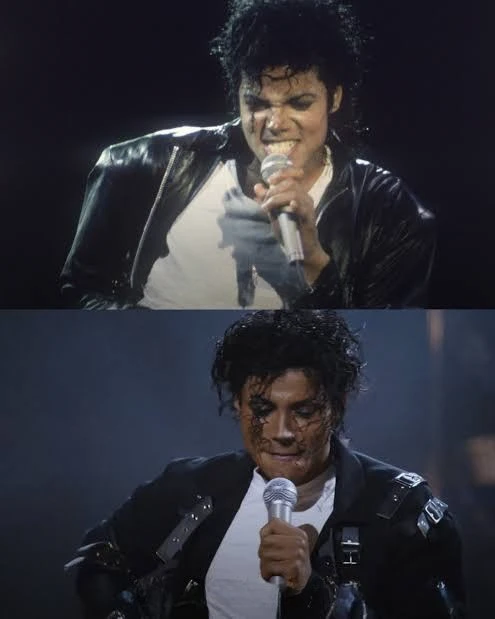
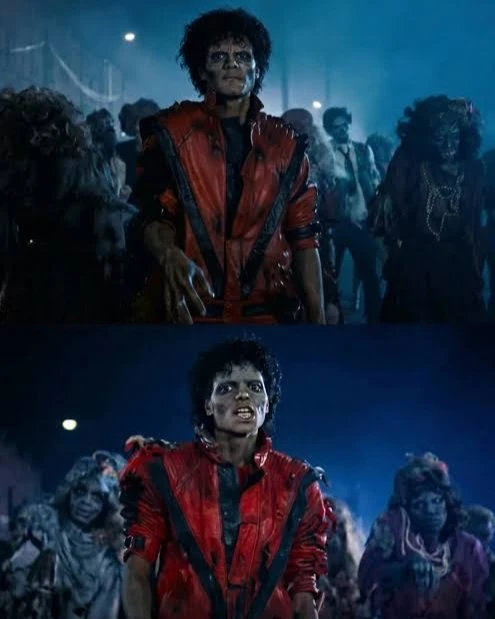
The craft is frequently impressive. Fuqua recreates iconic performances, such as the Motown 25 Billie Jean special and the early Jackson 5 years, with genuine showmanship. The movie trots out the greatest hits of Jackson’s career (arguably often as fan service), yet it also conveys the compelling urgency of Michael Jackson’s journey to become himself by freeing himself from his past.
When Jaafar inhabits the moonwalk or captures his uncle’s bone-deep vulnerability offstage, you feel the eerie gift of lineage at work.
But the seams show almost immediately. Michael leaps from one dazzling event to the next without reflection or pause, hastily attempting to summarize an accepted mythology of the singer’s rise to stardom in a surprisingly tight 127-minute runtime. Within the film’s first twenty minutes, we zip from 1966 to Motown’s discovery of the Jacksons in 1968, and into their early recordings in 1969, without stopping to let viewers consider the fraught implications of a father sending his young sons to perform in adult clubs, or how Michael was often singing about adult themes far beyond his years.
And then there is the elephant in the room: Neverland, quietly woven in the film’s narrative with the use of a picture book, the most cursory nod to the devastating idea of his stolen childhood. For those of us watching, our own childhoods incomplete without Michael’s music in them, this felt amiss. Beyond our fandom, our memories are also inseparable from the darker chapters of his story that emerged in later years: the child sexual abuse allegations that dogged him in life, and have only grown more prominent since his death.
It's a complex legacy that Antoine Fuqua's new biopic Michael sets out to capture, with decidedly mixed results. Michael is just the latest in a string of high-profile productions that have grappled with Jackson's life and music in recent years. Cirque du Soleil's Michael Jackson: ONE is a dazzling tribute to the King of Pop's artistry that makes no pretense at biography, focusing solely on the music. The Broadway musical MJ takes a more narrative approach, but cleverly sets its story in 1992, before the first public allegations against Jackson, allowing it to sidestep the most controversial aspects of his life.
Michael, in contrast, positions itself as a definitive account of Jackson's rise, fall, and redemption. In its best moments, it comes thrillingly close to capturing the magnetism of his presence. And yet, the film entirely avoids any reference to the child sexual abuse allegations that followed Jackson from 1993 onward; allegations that have only grown more prominent since his death in 2009. Michael thus carries a void at its centre. The film was reportedly reshot to exclude scenes that would have addressed the 1993 allegations. Those reshoots cost over $10 million. The result is a film that feels less like biography and more like brand management.
Within the film’s first twenty minutes, we zip from 1966 to Motown’s discovery of the Jacksons in 1968, and into their early recordings in 1969, without stopping to let viewers consider the fraught implications of a father sending his young sons to perform in adult clubs, or how Michael was often singing about adult themes far beyond his years.
This omission is not a minor footnote. Wade Robson and James Safechuck, whose detailed accusations of childhood abuse formed the core of the Emmy-winning 2019 documentary Leaving Neverland, have a combined lawsuit heading to trial later this year. Dan Reed, the documentary’s director, has been outspoken in his condemnation of the biopic. Reed pushed back sharply on director Fuqua’s dismissal of the accusers, calling it ironic for a filmmaker to accuse those men of mercenary motives while making an estate-approved, commercially motivated film.
A fair-minded viewer does not have to accept every allegation as settled fact to recognize that a serious biopic has an obligation to at least reckon with them. The 1993 criminal investigation, the 2005 criminal trial (in which Jackson was acquitted on all counts), and the subsequent civil litigation represent defining chapters of his life as well as his public legacy. What we are left with is an utterly sanitised view of Jackson, one that will appeal to fans who do not want to wrestle with the allegations their hero faced. There is a fleeting attempt at a defense in the portrayal of how devoted Michael Jackson was to caring for children with hospital and toy-store scenes peppered in the narrative. And while it tugs at our hearts to hold the idea in our minds that this gentle, tender-hearted man, who cared so much for bettering children’s lives was ultimately accused of hurting them, the thought never reaches a denouement as this entire storyline is deliberately deleted.
The opening credits include the logo for Jackson’s own former company, Optimum Productions, and so from that very moment, the ruse is over. This is a film produced with the Jackson estate’s blessing, with family members as executive producers. In every cloying moment, you can notice their fingerprints all over this jukebox version of a picture. Notably, Janet Jackson does not exist in this universe at all. The Michael we remember would not have been okay with that. That the film’s release was swiftly followed by fan accounts framing a competing Netflix documentary “Inocent” (which is deliberately misspelt) as a coordinated attack on Jackson’s legacy, rather than a legitimate counter-narrative, only underscores how commercially rational the estate’s sanitising instincts were: the audience for an uncomplicated Michael Jackson not only exists, but is vast and very loud.
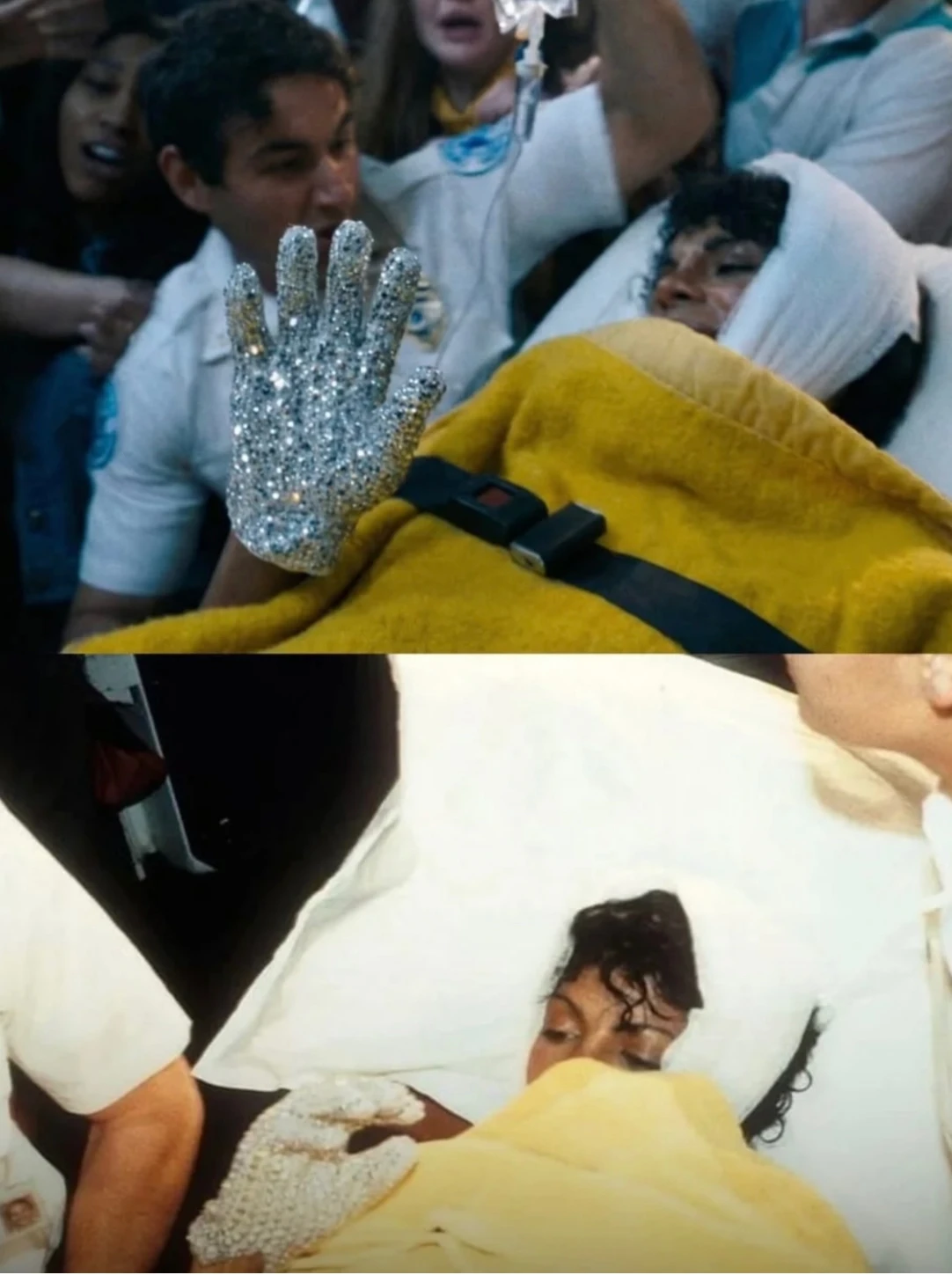
None of this makes Michael unwatchable. Jaafar Jackson’s performance alone earns the price of admission, and there is something undeniably stirring about experiencing those songs on a big screen. Audiences have been moonwalking out of theatres, and the film enjoyed a massive opening weekend. Fuqua, to his credit, does render the emotional cost of fame with occasional clarity, particularly the scenes involving Michael’s relationship with his bodyguard Bill Bray, and his quiet, aching search for father figures throughout his life.
This is a film produced with the Jackson estate’s blessing, with family members as executive producers. In every cloying moment, you can notice their fingerprints all over this jukebox version of a picture.
But craft and charisma cannot fully paper over cowardice. Great biopics, such as Walk the Line, I, Tonya, Capote, succeed precisely because they refuse to flatter their subjects. Michael the film is not interested in that kind of truth. Unlike its subject, the film is not artistically unique, immediately challenging, or boundary-pushing. It is beyond safe. Even the depiction of Jackson's troubled relationship with his father, which could have been a chance for real psychological insight, ultimately feels shallow and perfunctory.
Michael Jackson was one of the most gifted performers who ever lived and, simultaneously, one of the most troubling figures in popular culture. Those two things are not mutually exclusive, and any honest film about him would hold both at once. Michael holds only one. It is a monument built on an incomplete foundation: dazzling to look at, but hollow where it counts.

Khadija A. Malik is a writer based in Lahore.