I was sitting in a tea cafe in Lahore when I overheard a conversation between two middle-aged men at the next table. One of them whispered, “Pata hai, Ertugrul ke saath kisi Lahori ne fraud kar diya hai” (Do you know Ertugrul has been scammed by a Lahori?). The other responded, visibly shocked, “Yeh kaise ho sakta hai? Woh bara daana aadmi hai” (How is that possible? He’s such a wise person). I found myself even more surprised than him, not at the incident itself, but at the reaction. At first, I thought they were joking. But they were completely serious. Soon after, social media was flooded with similar expressions of disbelief.
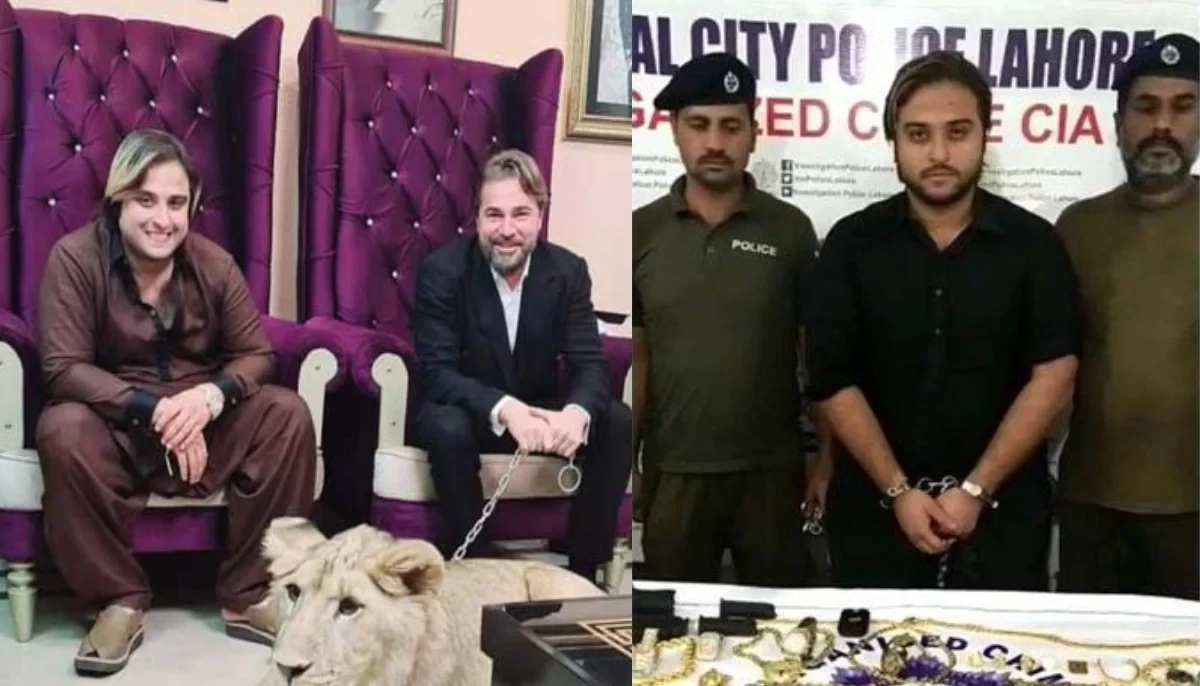
Indeed, a Lahore-based TikToker, Kashif Zameer, had invited Engin Altan Düzyatan, the actor who portrayed Ertugrul on the popular show Diriliş: Ertuğrul, to the city. During his visit, Düzyatan even met the then Chief Minister of Punjab, Usman Buzdar. However, upon returning, he discovered that the payments he had received were in the form of bogus cheques. Ertugrul being scammed by a Lahori TikToker was not merely a moment of second-hand embarrassment for many in Pakistan, it was a shock fans of the show struggled to process. What unsettled them was not just the fraud, but the idea that someone like “Ertugrul” who is imagined as brave, pious, sharp and wise could be deceived. For many, he wasn’t merely an actor playing a part, but had become an ideal to revere and aspire to, a symbolic figure expected to restore dignity to the Muslim world.
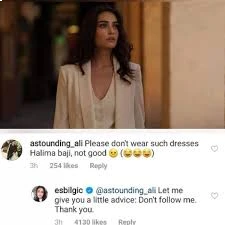
A similar dynamic unfolded with the character of Halima Sultan, played by Esra Bilgiç. Depicted as similarly pious, loyal and courageous, the character was embraced not merely as a role model but as a moral archetype. In a society where ideal figures are often imagined as products of a particular moral lineage, particularly where a mother’s “purity” is seen as a precondition for the greatness of men, Halima transcended fiction and became an expectation. So, when the actress posted photos of herself in a bikini on her Instagram account, it seemed to trigger intense anxiety among her fans in Pakistan. The reaction was not just disbelief; it was heartbreak. Comment sections were filled with moral policing, some issued threats, while others resorted to pleading: “Halima behn, aap yeh kya kar rahi hain humaray saath?” (“Halima sister, what are you doing to us?”). Eventually, the harassment became so overwhelming that Esra Bilgiç had to publicly ask her Pakistani “brothers” to leave her alone and then had to turn her comments off for a brief period of time.
This reveals a peculiar phenomenon: when fictional characters are glorified to such an extent, they begin to blur into reality. People form parasocial relationships with them, expecting actors to embody those same virtues in real life and, in turn, internalising and reproducing those ideals in their own social world.
However, the cultural impact of Ertugrul in Pakistan extends far beyond fandom and moral policing. Its appropriation has taken a far more troubling turn.
During my work leading a hate-monitoring cell at Shehri, a research and advocacy collective, we observed a recurring pattern where a significant portion of the hate content reported over the past four years incorporated Ertugrul’s visual language, its battle scenes, its aesthetic or its anthem. The series seems to have inadvertently become a symbolic resource for ideological messaging by the far-right in Pakistan.
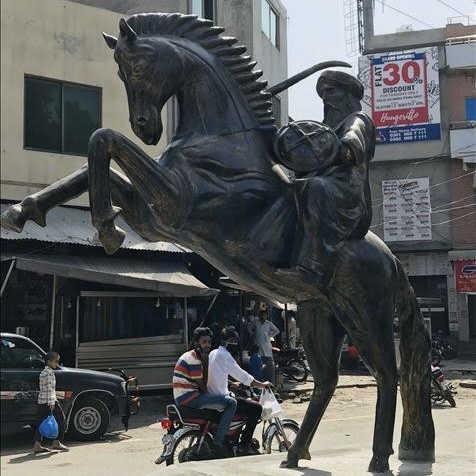
The clerics in seminaries distributed swords to students who then chant slogans while brandishing them, performing a dramatised readiness for violence. Similarly, rallies began featuring horses and swords, explicitly mimicking the visual grammar of Ertugrul.
This appropriation is not accidental. The show’s narrative of a righteous Muslim warrior fighting external enemies, internal betrayal and moral decay resonates strongly with existing political imaginaries in Pakistan. Former Prime Minister Imran Khan, who ordered the translation and release of Diriliş: Ertuğrul on national television, had a similar vision about himself and Pakistan. Khan’s invocation of Iqbal’s ‘shaheen’ and his vision of Naya Pakistan found a cultural echo in the figure of Ertugrul: a leader who rises against overwhelming odds to establish a just Islamic order, just like Khan himself (according to his self-narrative).
Yet, the afterlife of this imagery moved quickly beyond government and state rhetoric. Far-right groups began blending their own ideological narratives with scenes and symbols from the series. Slogans such as “gustaakh-e-rasool ki aik saza: sar tan se juda” (“blasphemy has only one punishment: beheading”) gained renewed visual force when paired with dramatised scenes of sword-based executions from the show.
The choice of the word beheading rather than simply “death” is significant itself. In contemporary contexts, such forms of punishment are neither legally practiced nor socially imaginable for most people. What Ertugrul provided was not just language, but imagery, a way to visualise violence in this form for Pakistanis where an extreme right already had these ideas, but was finding it culturally difficult to justify it. As anthropologist Ashis Nandy argues, acts like beheading as a form of punishment often function as performative assertions of political power. Here, popular culture supplied the performative script and imagination. Videos began circulating on platforms such as WhatsApp, YouTube and TikTok, in which Ertugrul’s anthem was layered over real-life hate speech, or conversely, extremist slogans were superimposed onto scenes from the series. Through this fusion, violence was aestheticised and normalised. The moral universe of the drama where enemies are clearly defined and justice is swift and absolute was mapped onto Pakistan’s own social divisions, with minorities increasingly cast as existential threats.
This symbolic shift did not remain confined to the digital sphere. The clerics in seminaries distributed swords to students who then chant slogans while brandishing them, performing a dramatised readiness for violence. Similarly, rallies began featuring horses and swords, explicitly mimicking the visual grammar of Ertugrul.
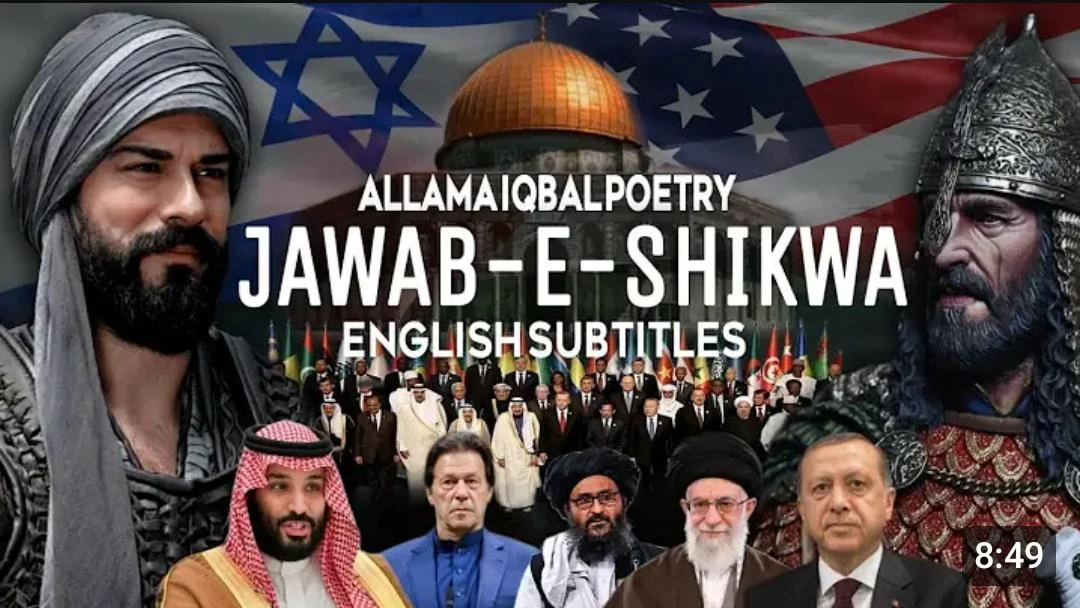
Social media algorithms further amplified this content. Because Ertugrul was already trending, material using its imagery gained disproportionate reach. Meanwhile, platform governance remained weak. Tech companies have shown limited commitment to addressing such context-specific harms in developing countries like Pakistan; it seems they use most of their capacities for the West. On the other hand, state institutions have either lacked capacity or used regulatory frameworks selectively, often effectively targeting dissent but taking a lax approach towards hate speech.
Disturbingly, this surge in hate coincided with a broader rise in real-world extreme forms of hate crimes which were unprecedented, like burning the coffins of individuals from minority communities and lynching, burning and target killing alleged blasphemers from Sialkot to Swat, and even murdering them in police custody from Quetta to Umer Kot. While it would be simplistic to attribute these hate crimes solely to a television series, the normalisation and aestheticisation of violence through popular culture undoubtedly contributed to an enabling environment. The state, rather than acting as a counterforce, appeared complicit at multiple levels. By promoting and legitimising such content at national scale without substantive critical engagement, it allowed ideological narratives embedded within entertainment media to circulate unchecked.
When the actress [playing Halima Sultan] posted photos of herself in a bikini on her Instagram account, it seemed to trigger intense anxiety among her fans in Pakistan. The reaction was not just disbelief; it was heartbreak. Comment sections were filled with moral policing, some issued threats, while others resorted to pleading: “Halima behn, aap yeh kya kar rahi hain humaray saath?”
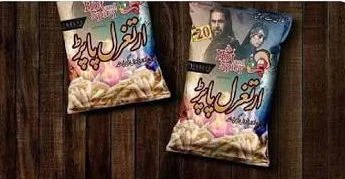
Alongside these darker implications, another dimension of Ertugrul’s popularity emerged: one that was almost comical, but deeply revealing of Pakistan’s informal economy. Unlike conventional marketing strategies, where corporations hire celebrities to endorse products, Pakistan witnessed an inverted model. Within days of the show’s release, small businesses began appropriating the Ertugrul brand: ‘Ertugrul Paparh’, ‘Ertugrul Nimko’, ‘Ertugrul Dahi Bhallay’, ‘Ertugrul Tea Café’ and countless others. Technically, this was a violation of intellectual property rights. But what stands out is the spontaneity and scale of this response. In a country where formal startup ecosystems remain underdeveloped, informal entrepreneurs from street vendors to small manufacturers demonstrated remarkable marketing instinct. They recognised cultural capital and converted it into economic opportunity with striking speed.
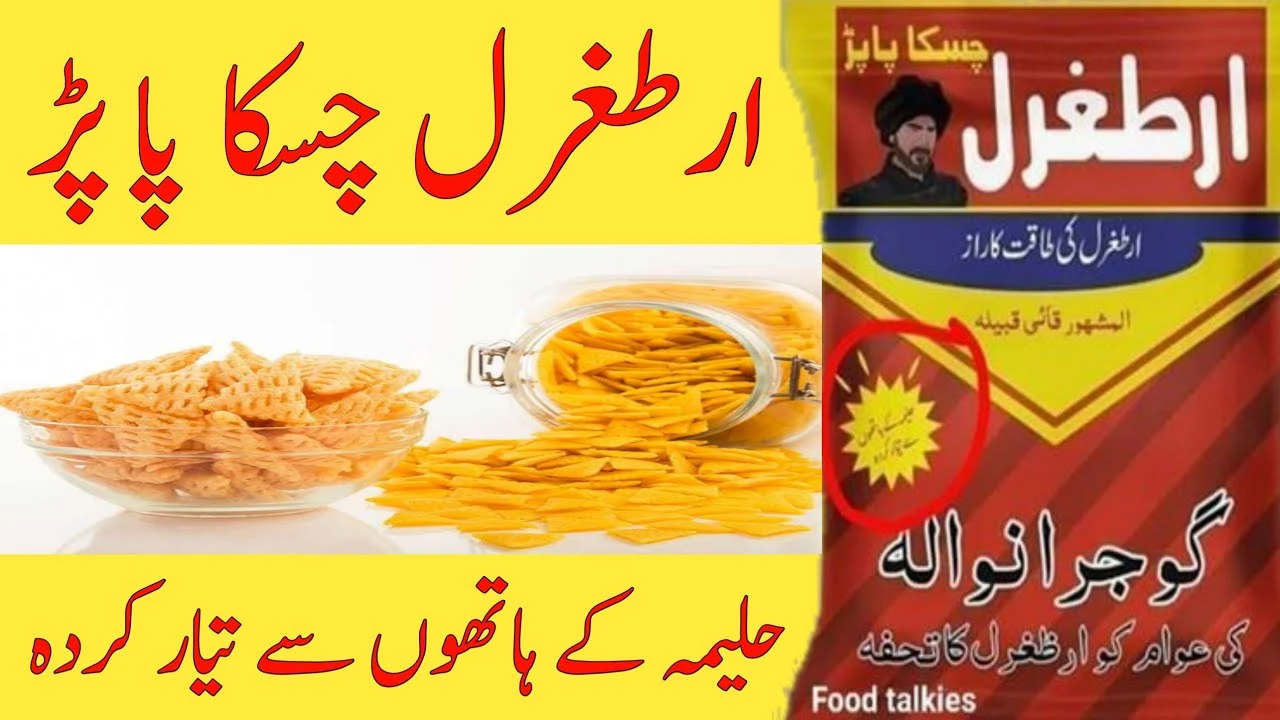
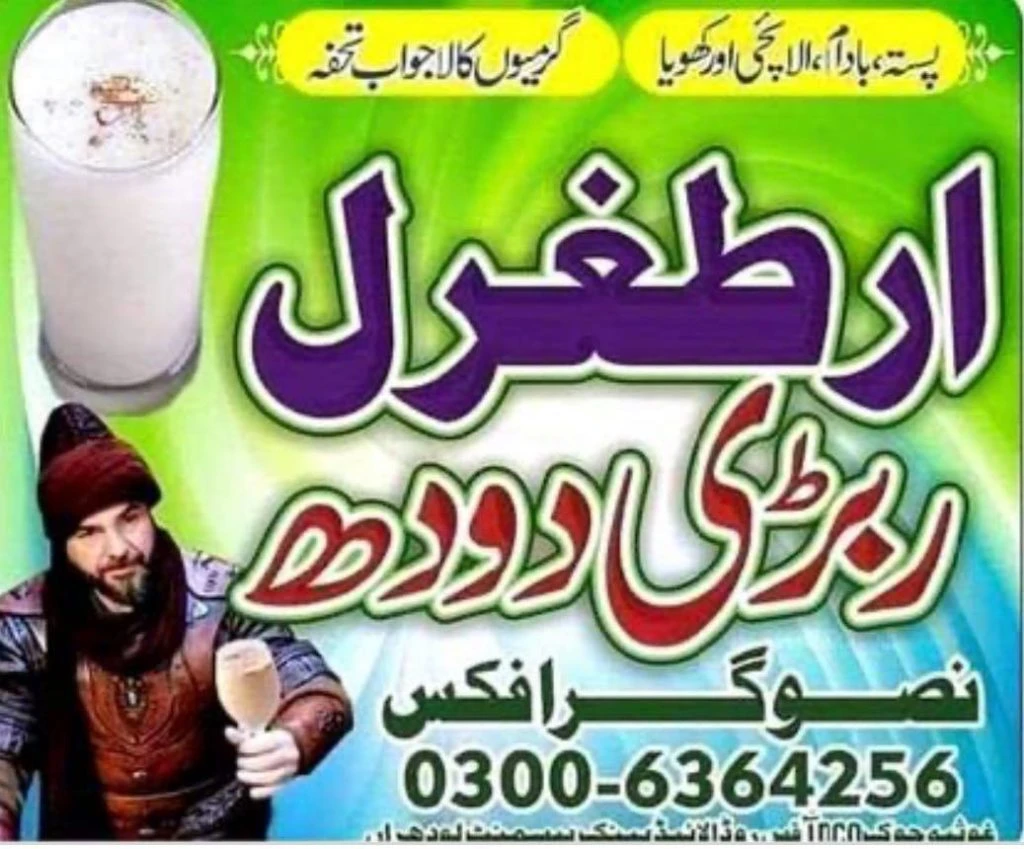
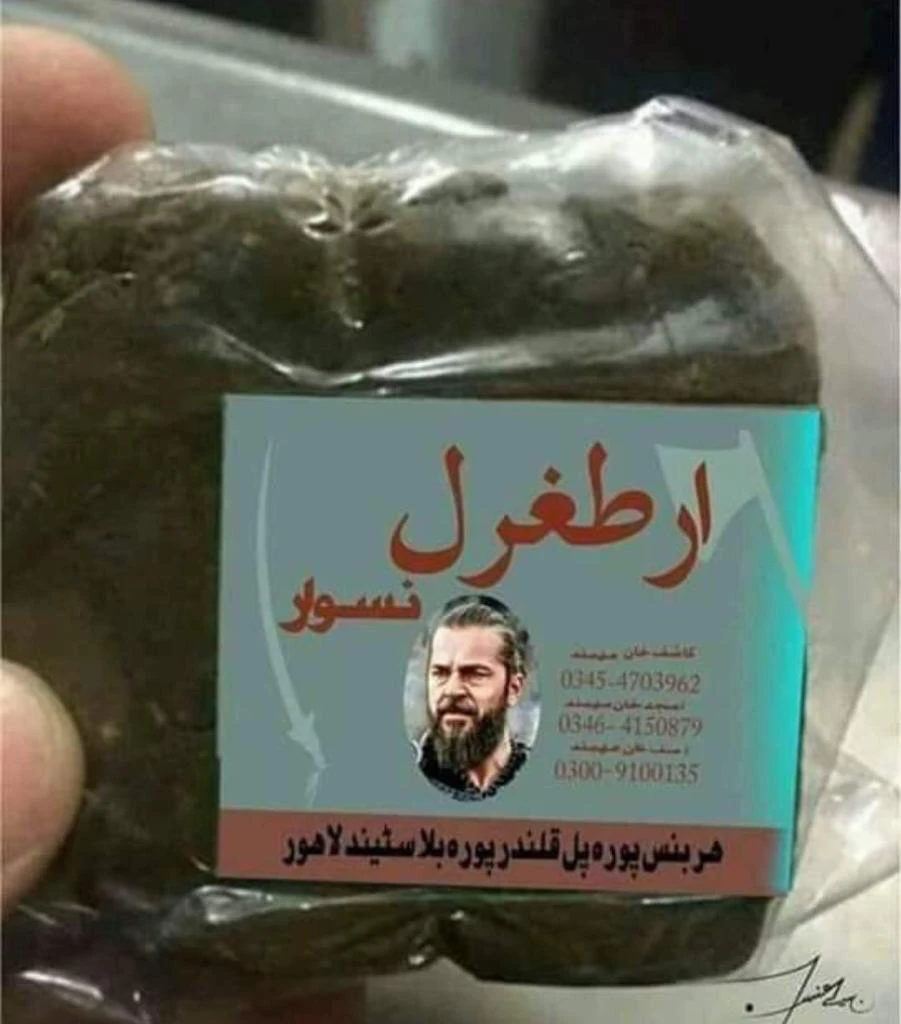
This duality captures the essence of Ertugrul’s impact in Pakistan as a cultural phenomenon that inspired aspiration, but also facilitated ideological appropriation and normalised deeply troubling forms of expression. It is a reminder that popular culture is never just entertainment, but a powerful social force, capable of shaping imaginations, identities, and, at times, the boundaries of violence itself. That’s why it is important for the state to understand that when something is adopted on such a large scale it should be done with caution. Given that the drama series continues to be repeatedly telecast on different Pakistani channels, it seems that lesson has still not struck home.
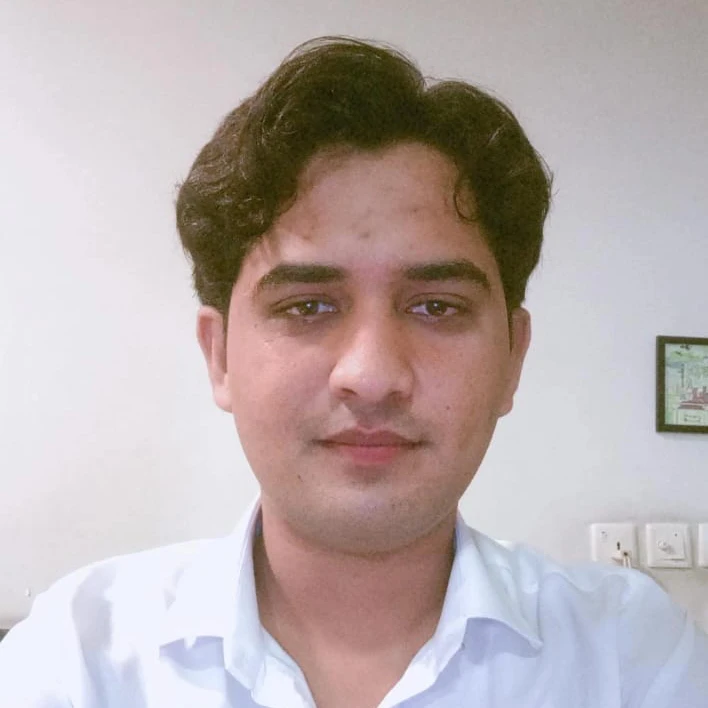
Ali Raza studied sociology from Government College University Lahore and works as a researcher and writer at Shehri. He is also the former Vice President of the Progressive Students Collective and Editor-in-Chief of The Students Herald.