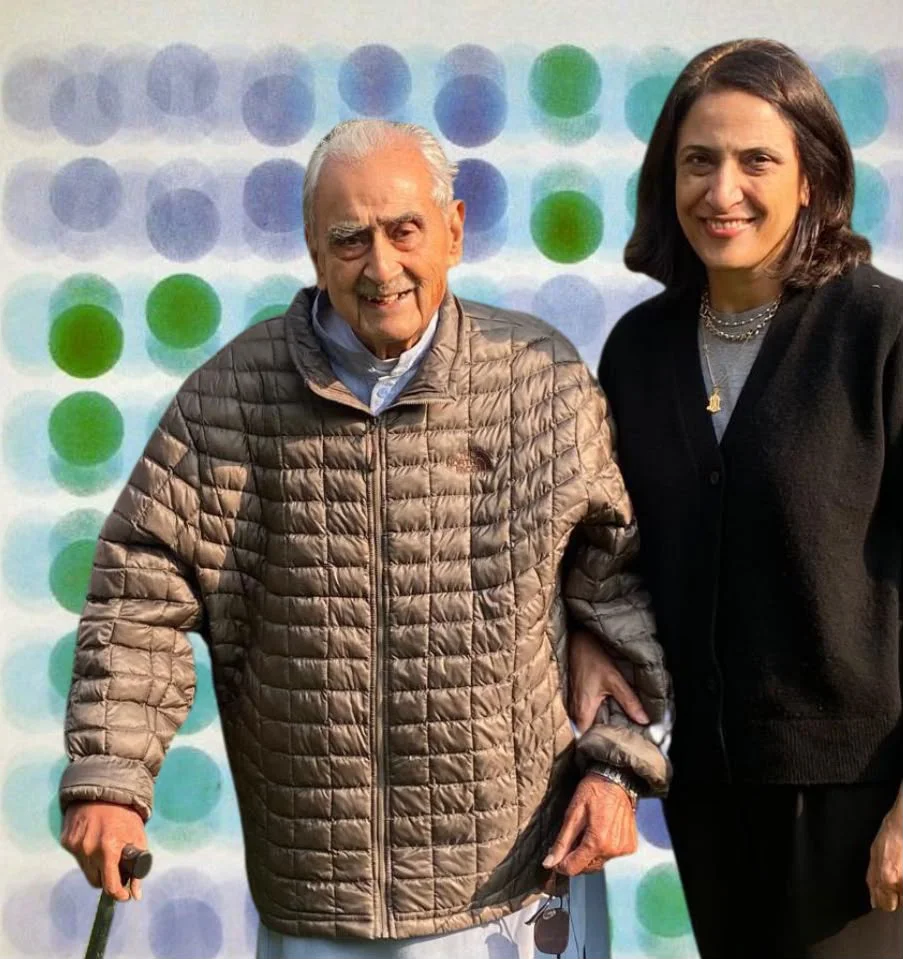
Much has been written and said about Syed Babar Ali’s extraordinary life and achievements in industry, education, conservation and philanthropy. The praise is richly deserved. But my purpose here is to draw a portrait of my uncle as I know him.
The eighth of Syed Maratib Ali and Mubarik Begum’s nine children, he was born into privilege. His father was a successful self-made businessman, his mother belonged to the Fakir Khana, a prosperous, cultured family of old Lahore. While he has acknowledged his debt to his father with regard to his work ethic, his moral compass and his vision, he has also spoken of his mother’s deep influence on him. It was she who nurtured in him a love of history, literature and culture and a fondness for good food and fine conversation. And this heritage he passed on to not just his own children, but also his many nieces and nephews.
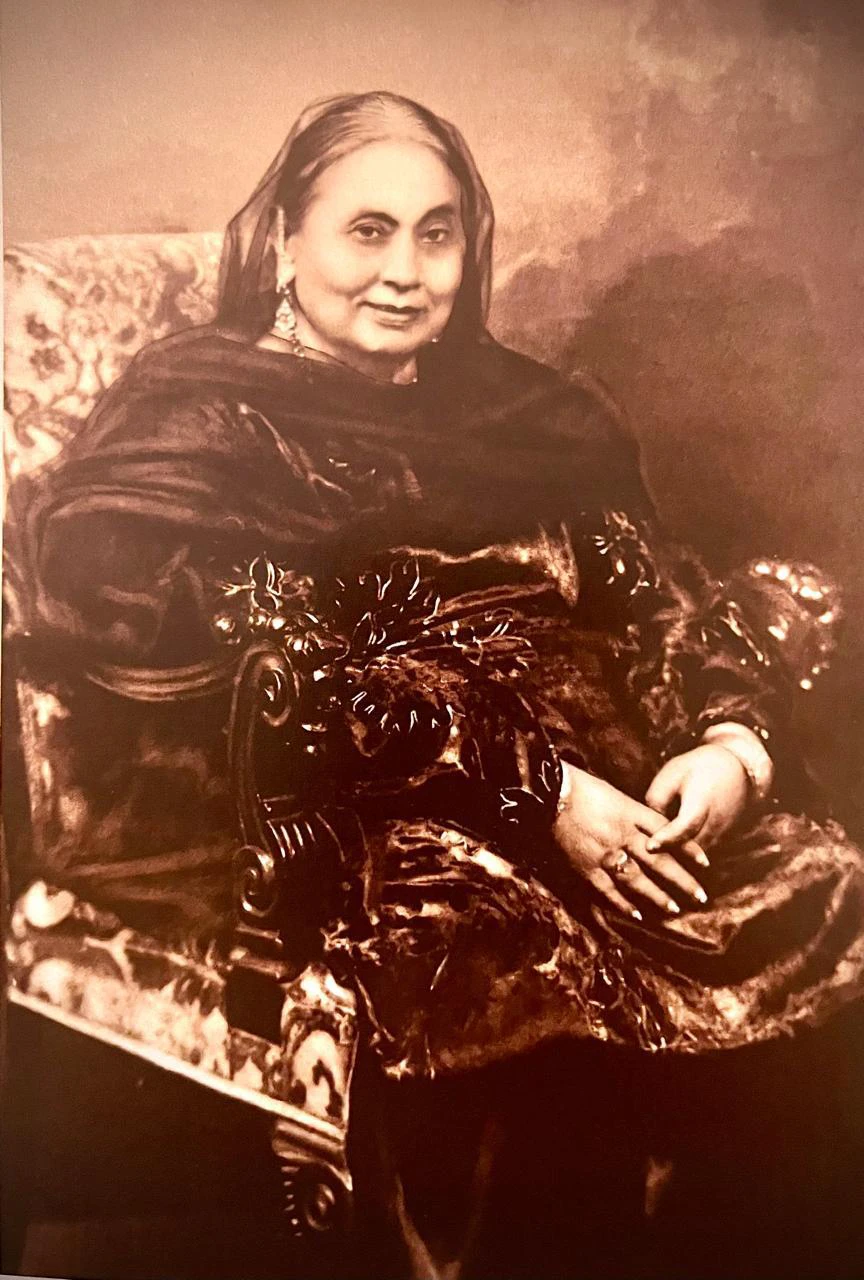
We grew up listening to Farida Khanum, Manzoor Qawwal and the Sabri brothers at intimate mehfils at his home. We were exposed to the finest marsiyah khwans such as Nasir Jahan, Ustad Amanat Ali Khan, Ustad Fateh Ali Khan and Ustad Hamid Ali Khan who were all invited to majalis during Muharram at Nasheman, our grandparents’ house in Lahore, and our grandmother’s haveli and imambara at Bhaati Gate. We attended festivals celebrating Amir Khusrau and the annual rose festival in the gardens of Packages and Urdu literature readings at Ali Institute. Mamu Babar summoned folk singers to come to Nasheman and sing the Heer for his mother and her grandchildren. He gifted us stacks of books by Bulleh Shah, Waris Shah and Sultan Bahu that he published at Packages. He reprinted and distributed among us historic photos of our family. He invited us to gatherings where we were introduced to poets and princes, academics and entrepreneurs, philanthropists and artists.
Mamu Babar respects not wealth but accomplishment, be it in brain surgery or gardening. He admires erudition, creativity, tenacity, discipline and success, particularly if it is hard won.
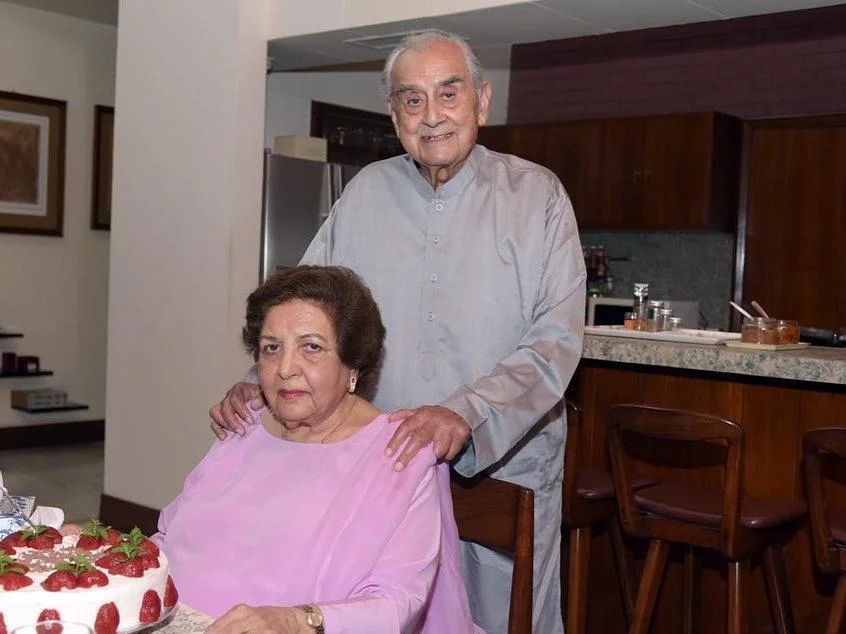
It was at his house that I first saw paintings by Jamini Roy and Zain ul Abedin and learnt to appreciate the sculptural lines of Danish furniture, of which both he and Mami Perwin were such devotees. In his middle years he travelled relentlessly, attending meetings all over the world. But when in Lahore, he always came for Sunday breakfast to our house. While my mother plied him with his favourite mooli kay parathay and gaajar ka murabba with cream from her own cows, my father and he engaged in lively discussions ranging from Sufi philosophy to Persian poetry and Punjabi history to rural culture, farming practices and folklore. Those Sunday breakfasts were an education in themselves.
I took it all for granted, assuming that most people must also have access to this same level of cultural immersion. It was much, much later that I came to understand what an immense privilege it was and how fundamental it was in shaping our identity and fostering in us a sense of belonging and rootedness.
When I finished university and returned to Lahore, Mamu Babar summoned me to his office and as he had done with many cousins before and after me, asked what it was that I wanted to do with my life. And how he could help me achieve it. Thirty years on, he asked exactly the same question of my children and made the same offer to them. Unlike my children, who knew what they wanted to do, I was clueless. So, he took me in hand.
It was at his house that I first saw paintings by Jamini Roy and Zain ul Abedin and learnt to appreciate the sculptural lines of Danish furniture, of which both he and Mami Perwin were such devotees.
I went to work at WWF Pakistan, one of his many development projects. I did not receive any training and was expected to learn through doing. I had been at WWF for less than a year when the elderly gentleman who ran the Lahore office retired. An advertisement was placed in the newspaper for a replacement. Applications poured in. Mamu Babar gave me the job of sifting through the applications and coming up with a shortlist of five candidates with a brief write up on each. I was, to be honest, a little overwhelmed. I had never assessed a CV before, let alone of candidates who were far older and more experienced than I. After much agonising I handed him my list. He scanned it and nodded. ‘Fine,’ he said. Extravagant praise is not his thing. Later I learned he had done his own due diligence, of course, but he was still interested to see who I would pick. And it is a mark of the man, that young and untested as I was, he did not ignore my recommendations. All the candidates on my list were invited for an interview.
I was twenty-three years old when he sent me to Hong Kong to attend a high-level meeting among the Asia Pacific heads of the organisation. While all the delegates were received at the airport and led to a waiting coach, I was taken aside by Ms Shaw, the lady who ran or rather was WWF Hong Kong. ‘No, my dear,’ she said, ‘you are coming with me. I promised Babar that I would look after you.’ I didn’t know it at the time, but she belonged to an illustrious Hong Kong family and was known to Mamu Babar. As everyone else was driven to a modest hotel, I sailed off in a chauffeur driven car to a sumptuous apartment on The Peak. But the opulence of my living quarters notwithstanding, it was made clear to me that I was not on holiday. On my return to Lahore, he called me to his office and asked, ‘What did you see? What did you learn? How can we do things differently, better?’ Unbeknownst to me, he also received a report on my performance from Ms Shaw.
When I left WWF after two years to pursue a life of writing, he was disappointed. But he did not hold it against me. When a favourable review of my second novel appeared in Newsweek, Mamu Babar called up my mother to congratulate her. She told him she hadn’t seen the article yet. Five minutes later, his driver dropped off a copy of the magazine.
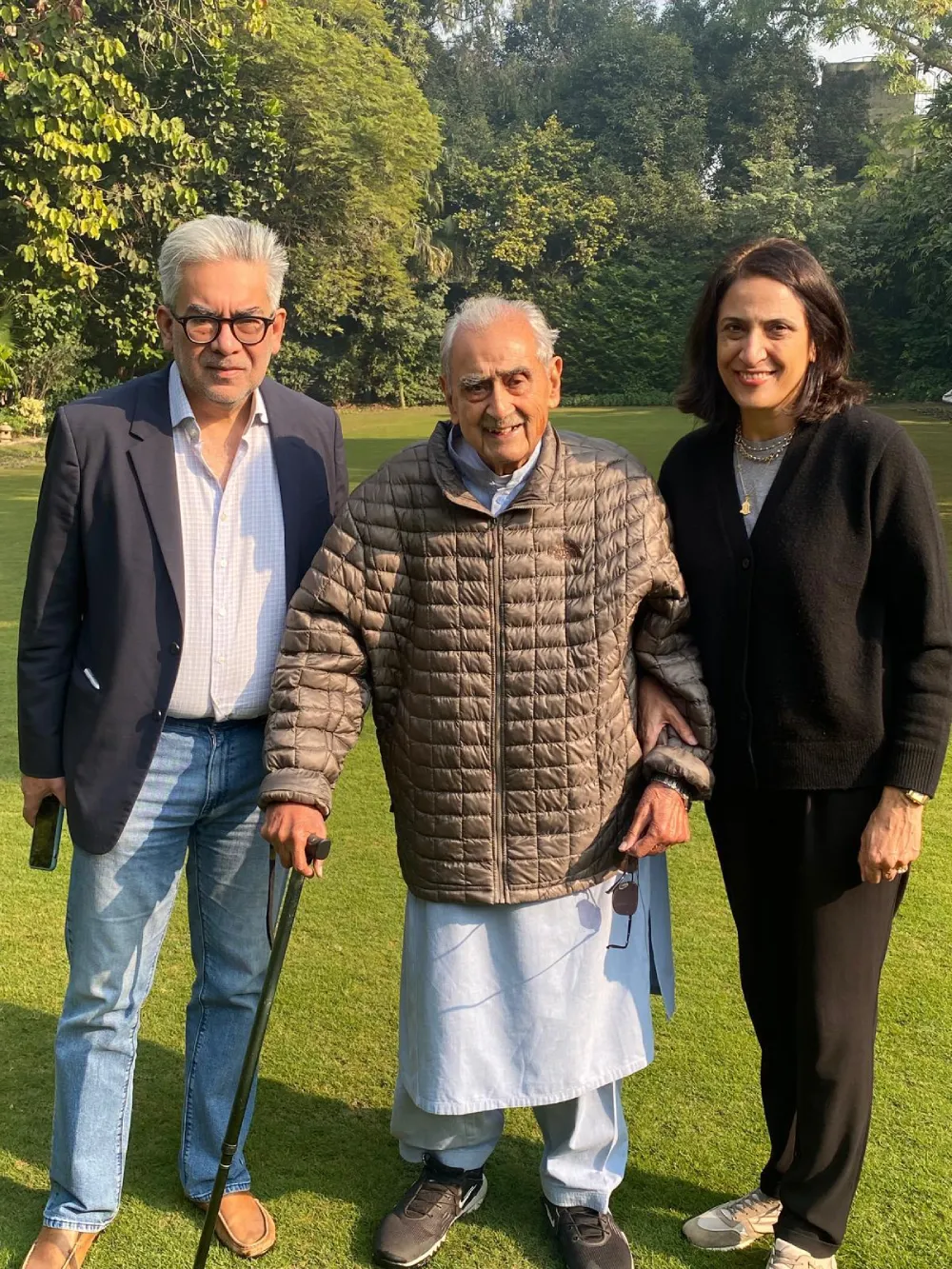
Mamu Babar respects not wealth but accomplishment, be it in brain surgery or gardening. He admires erudition, creativity, tenacity, discipline and success, particularly if it is hard won. He has little time for affectation and is unimpressed by grandiosity. He has lived in the same unpretentious house for as long as I can remember. It has not been redone or enlarged and looks pretty much as it always has. He is a man easy in his skin. My elder sister remembers how he would take her along with his children to the Packages canteen where they would all sit down for lunch with his employees.
Mamu Babar’s defining qualities have always been pragmatism, optimism and faith. He treasures his memories, acknowledges his advantages and owns his setbacks, but he is not mired in the past.
Mamu Babar has lived a rich life and accomplished much, but as John Donne said, ‘No man is an island entire of itself.’ Aside from the guidance of his parents and the unfaltering support and love of his wife, he was mentored by his elder brothers. As he has often recalled, he was not even a teenager when they would take him along to business meetings and social gatherings so that he could observe and learn. The confidence they instilled in him was fundamental to his later success. From his sisters he received unqualified love, emotional backing and wise counsel. My mother, his younger sister, was not only a confidante, but also a sounding board. A woman of firm moral convictions and good sense, she was not afraid to disagree. Which is why he valued her opinion.
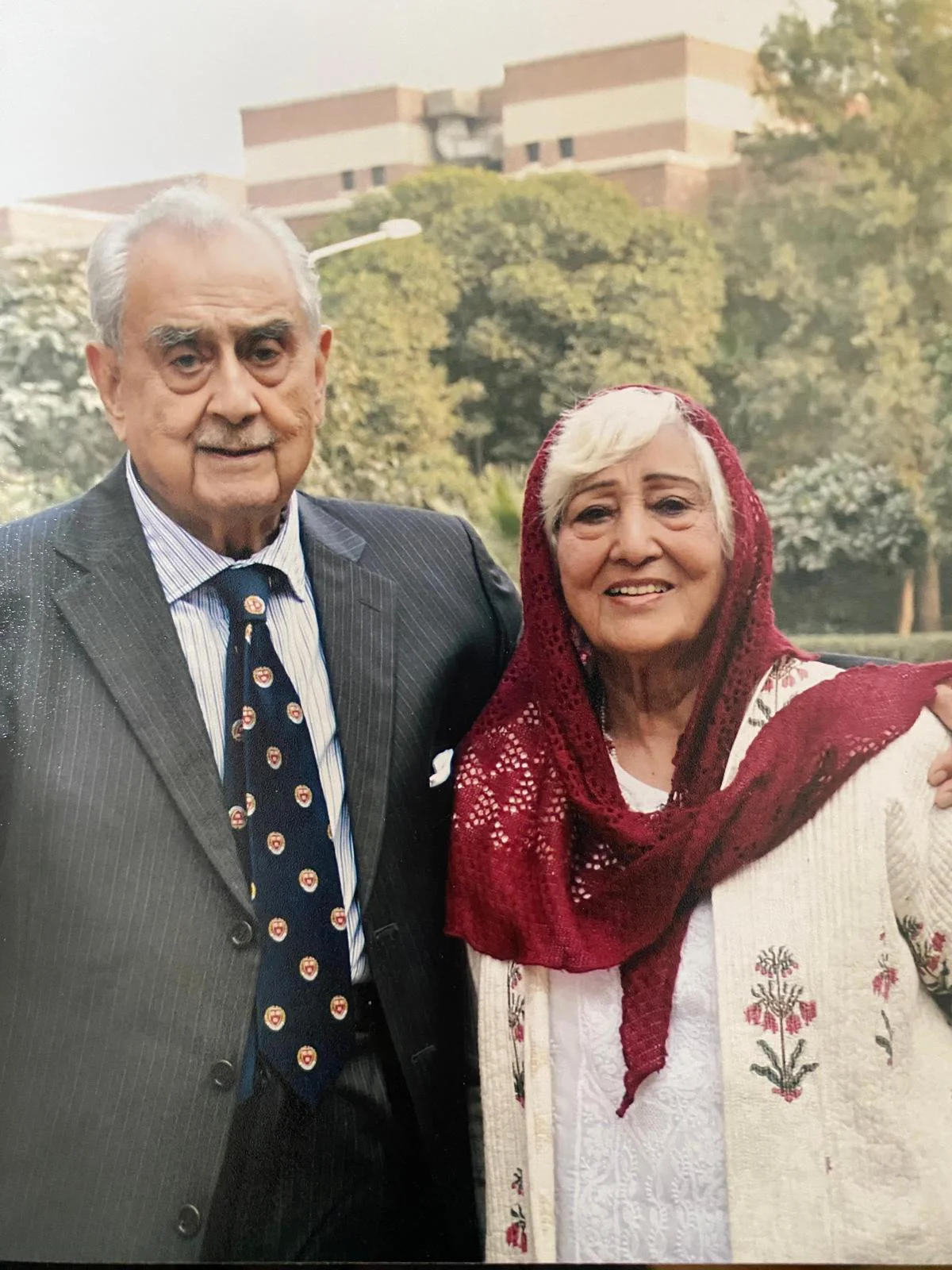
You cannot live to a hundred without also experiencing the bitterness of loss, bereavement, grief and reversals. Mamu Babar is no exception. All his siblings have passed away, as have his peers, childhood friends and even, several beloved nieces and nephews. Six of the seven family businesses on which he cut his teeth, were nationalised in the 1970s. And as his granddaughter pointed out recently, he himself was nationalised when Mr Bhutto seconded him to run the National Fertiliser Corporation. But a cornerstone of his life is his deep and abiding Shia faith. He derives strength and solace from it. Another source of succour is classical poetry, particularly that of Saadi Shirazi. And then there is the steadfastness of his own character. Mamu Babar’s defining qualities have always been pragmatism, optimism and faith. He treasures his memories, acknowledges his advantages and owns his setbacks, but he is not mired in the past. He looks to the future and takes each day as an opportunity to learn something new, be it a couplet of Baba Farid or a new feature of Chat GPT. Do what you can, while you can, is the credo by which he lives. And perhaps that example is his most important gift to us all.
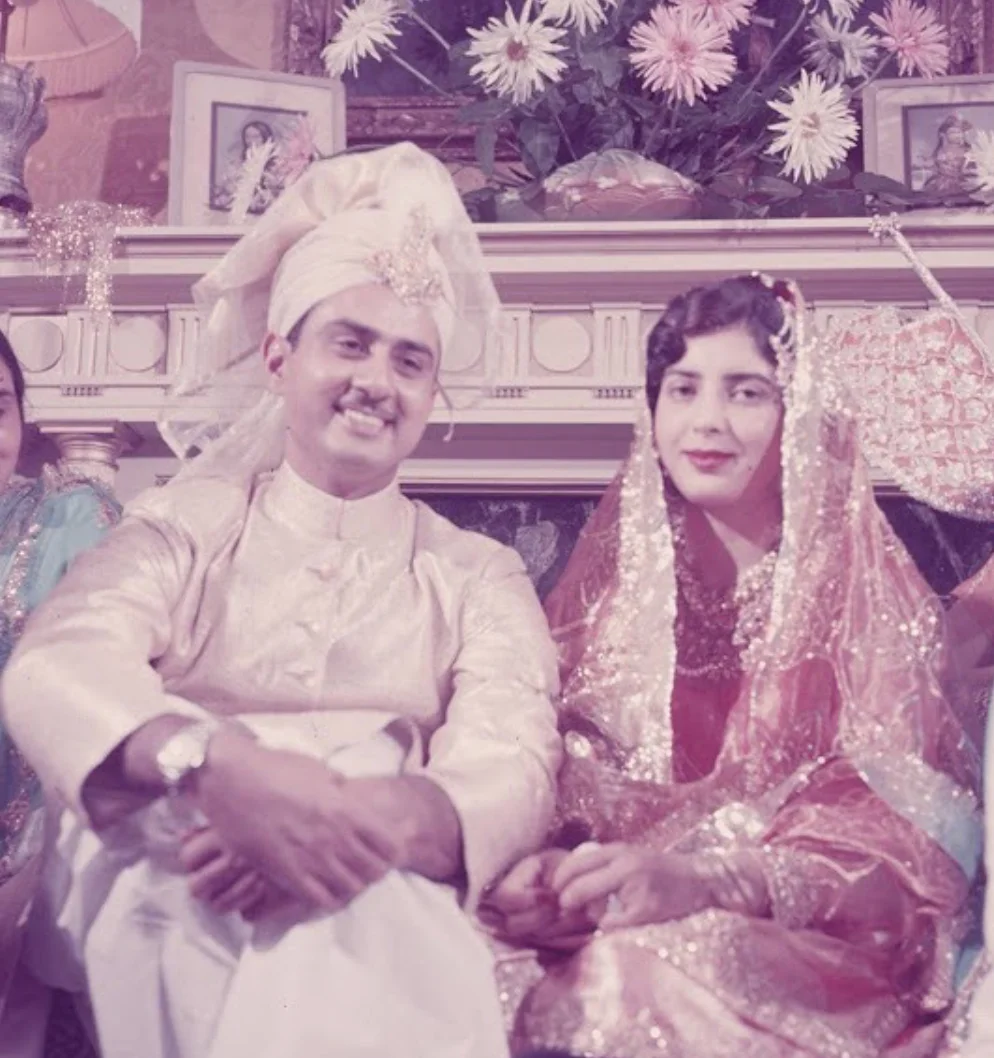
He is not without flaws of course. Like all human beings he has his frailties. He can be sharp of tongue and impatient with weakness. But as Hamlet responds when Horatio remarks that his late father had been a ‘goodly king’:
‘He was a man, take him for all in all,
I shall not look upon his like again.’
All photos courtesy of the author, unless stated otherwise.
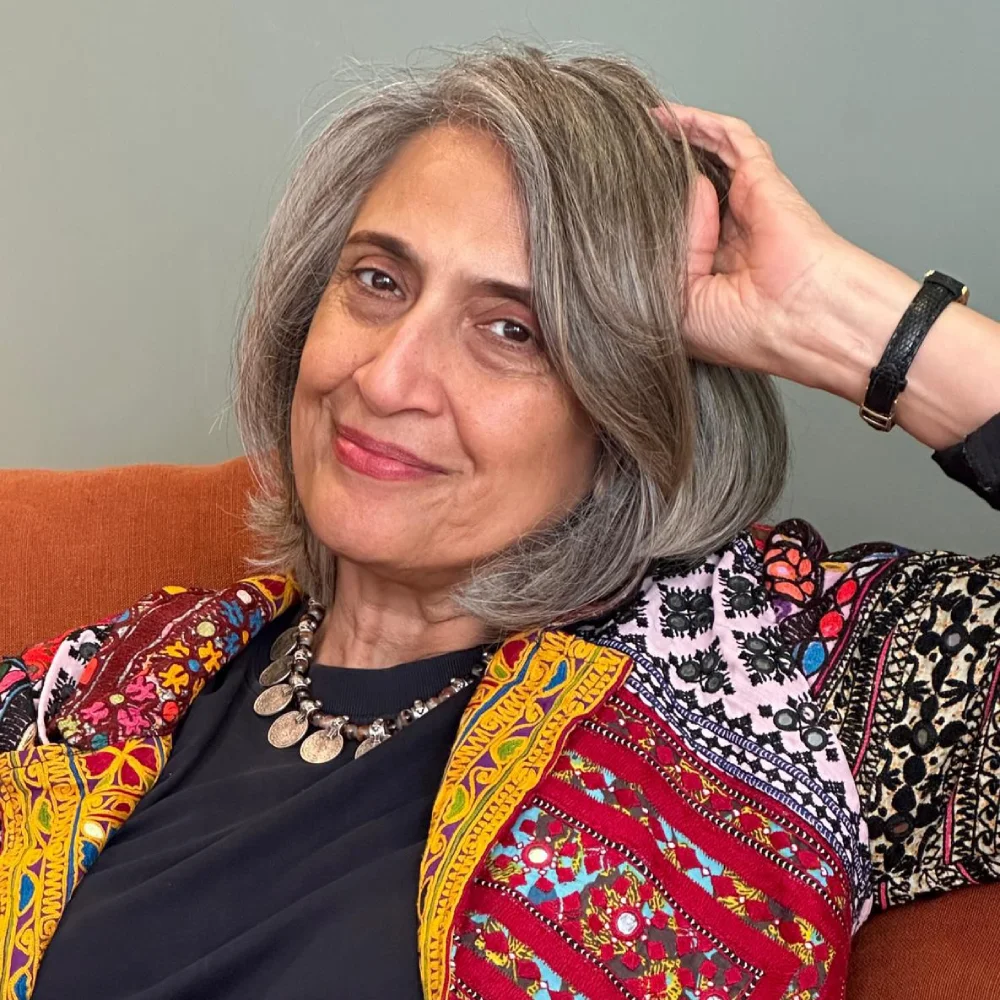
Moni Mohsin is a journalist, novelist and creator of 𝘛𝘩𝘦 𝘋𝘪𝘢𝘳𝘺 𝘰𝘧 𝘢 𝘚𝘰𝘤𝘪𝘢𝘭 𝘉𝘶𝘵𝘵𝘦𝘳𝘧𝘭𝘺. She can be found on instagram at: @monimohsinofficial and @diary_socialbutterfly