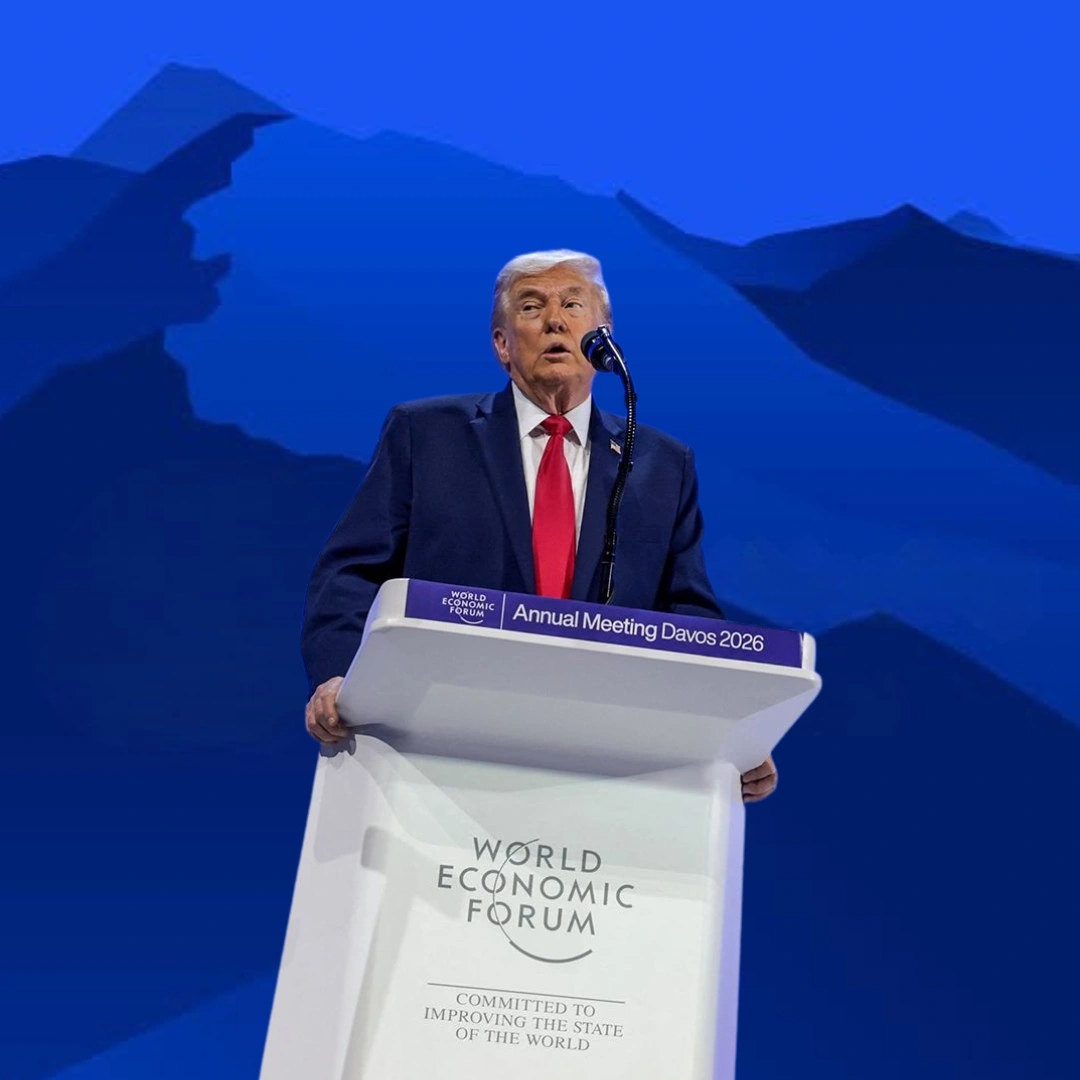
As the 2026 World Economic Forum in Davos unfolded, an unmistakable narrative emerged on the global stage. The European Union and its leading member states were no longer willing to quietly acquiesce to Washington’s demands under President Donald Trump. A forum which was once known for polite transatlantic diplomacy became dominated by pointed political rebuttals and calls for strategic autonomy. At the same time, voices within Europe debated the right balance between standing up to Trump and preserving the transatlantic alliance. The result was a defining moment in modern European foreign policy and a visible stand against unilateral pressure from the United States.
The flashpoint: Greenland.
Trump’s controversial bid to acquire or exert control over the island through economic pressure emerged as the central issue at Davos. In the run up to the forum, the United States’ threats of tariffs on European countries that opposed the move rattled European capitals. European leaders warned that such tactics threatened the rules-based international order that has underpinned global stability since World War Two.
At Davos, European reactions revealed the depth of frustration. French President Emmanuel Macron, donning a pair of Aviator sunglasses to hide a burst blood vessel in his eye, was among the clearest voices of resistance. He told delegates that Europe would not bow to bullies following tariff threats linked to Greenland. His remarks reflected a broader European sentiment that coercion had no place in international relations and that sovereignty must be respected. Macron’s stance resonated widely across the forum and drew applause from the business and political leaders present at the conference.
Trump’s controversial bid to acquire or exert control over the island through economic pressure emerged as the central issue at Davos. In the run up to the forum, the United States’ threats of tariffs on European countries that opposed the move rattled European capitals.
Prior to the 56th Annual Meeting of the World Economic Forum, Trump had warned that additional 10% import tariffs would be placed on goods from Denmark, Norway, Sweden, France, Germany, the Netherlands, Finland and Great Britain until Greenland would be sold to the US. In response, European leaders, deviating from the norm of mere rhetoric, signalled readiness to defend their interests through co-ordinated action. Denmark stressed that Greenland’s status was non-negotiable and rooted in international law. Several European governments discussed strengthening Arctic co-operation and security presence, highlighting how economic pressure from Washington was accelerating deeper European defense co-ordination.
This assertiveness reflected a broader shift in Europe’s thinking about its role in global politics. In multiple speeches at Davos, European Commission President Ursula von der Leyen emphasised the need for strategic autonomy. She argued that Europe must be capable of protecting its security, economy and values without automatic dependence on external powers.
Belgian Prime Minister Bart De Wever captured this urgency when he warned that European unity was essential in the face of external pressure. His message was direct: Europe must either act together or risk fragmentation. Such language would have been rare at Davos a decade ago, but it now reflects growing public and political support for a more assertive European posture.
Still, Davos also exposed internal divisions. German Chancellor Friedrich Merz adopted a more cautious tone. While welcoming Trump’s eventual assurances that he would not pursue immediate tariffs, Merz warned against abandoning the transatlantic partnership altogether. He stressed that trust and co-operation remain vital for NATO and European security, particularly given ongoing tensions with Russia and instability in global energy markets.
Whether European countries’ resolve endures will depend on their willingness to translate words into policy. But Davos has already left its mark. Europe has shown that it is prepared to stand up to Trump, absorb the costs of disagreement and shape its own role in a more uncertain world.
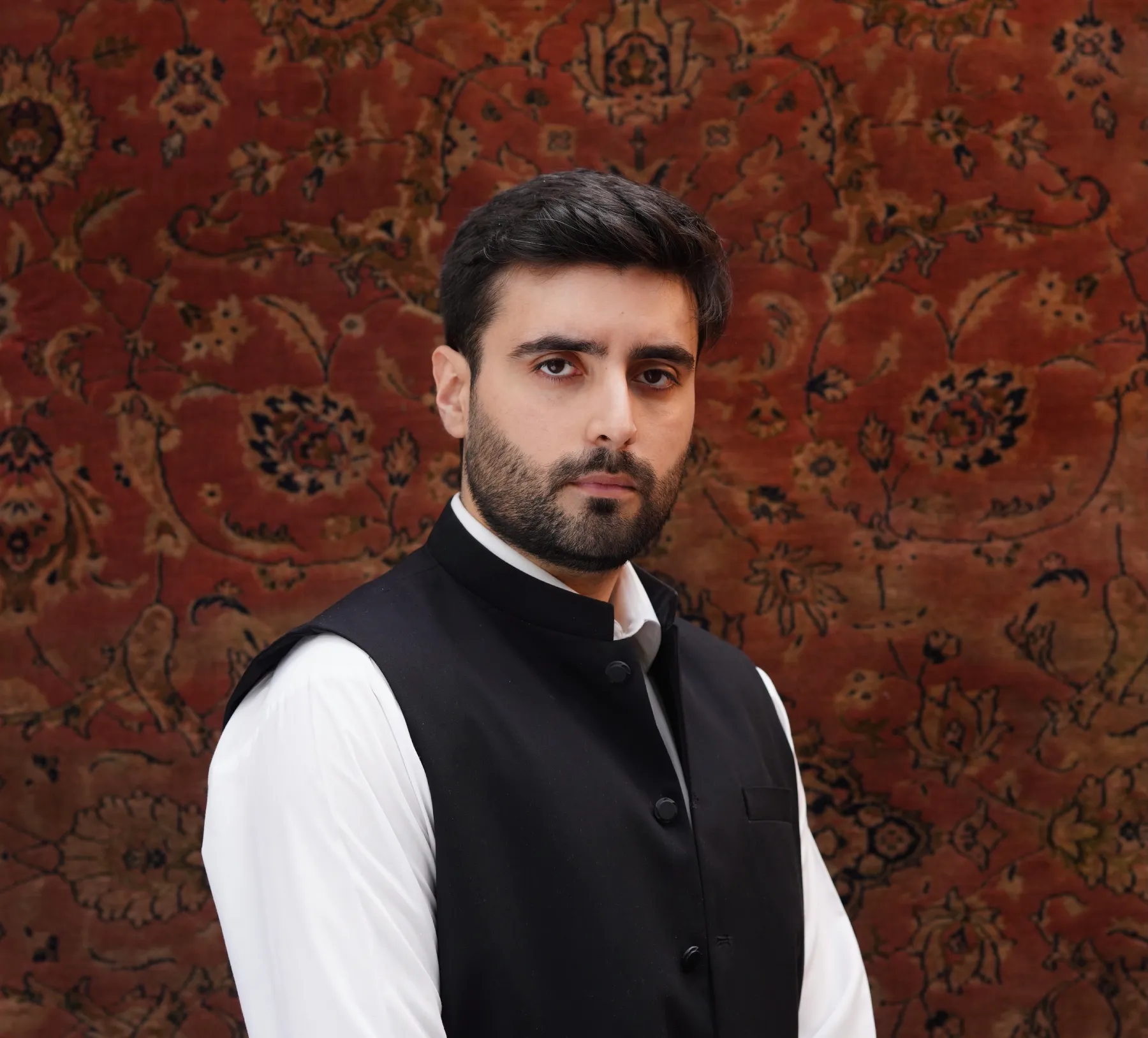
Ahmad Jamal Wattoo is a development professional who currently works at the Punjab Clean Air Program within Punjab's Ministry of Planning and Development. He has previously worked at the World Bank's Information Technology Solutions division and the United Nations Department of Peacekeeping Operations. He writes on Pakistan's energy, environment and economy.